COMMUNIQUÉ ADOPTED AT THE FREEDOM VIBES SUMMIT 2025
Theme: “Charting a Course for Artistic Freedom and Regulatory Reforms in Nigeria”
Date: 10 December 2025.
INTRODUCTION
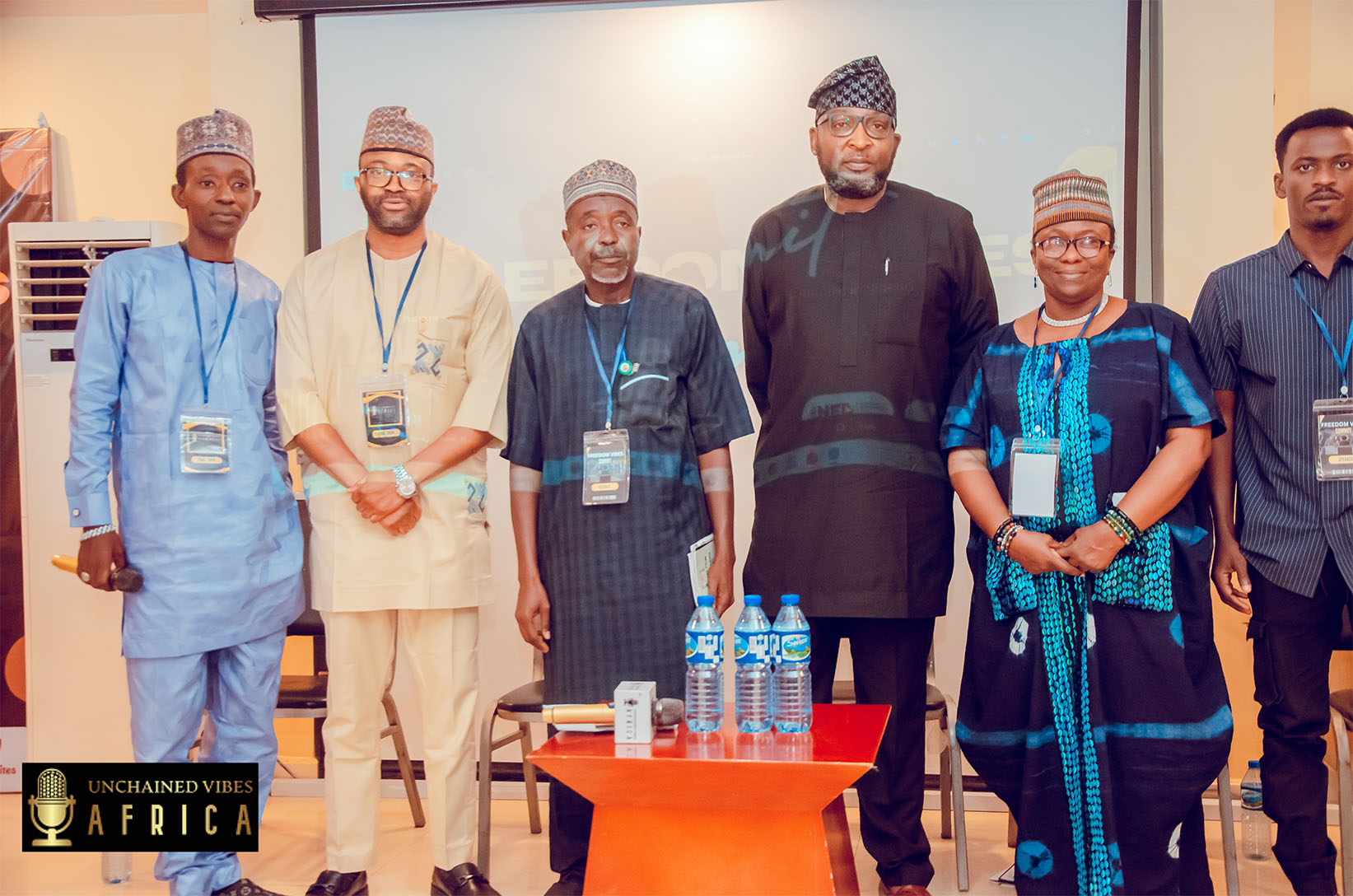
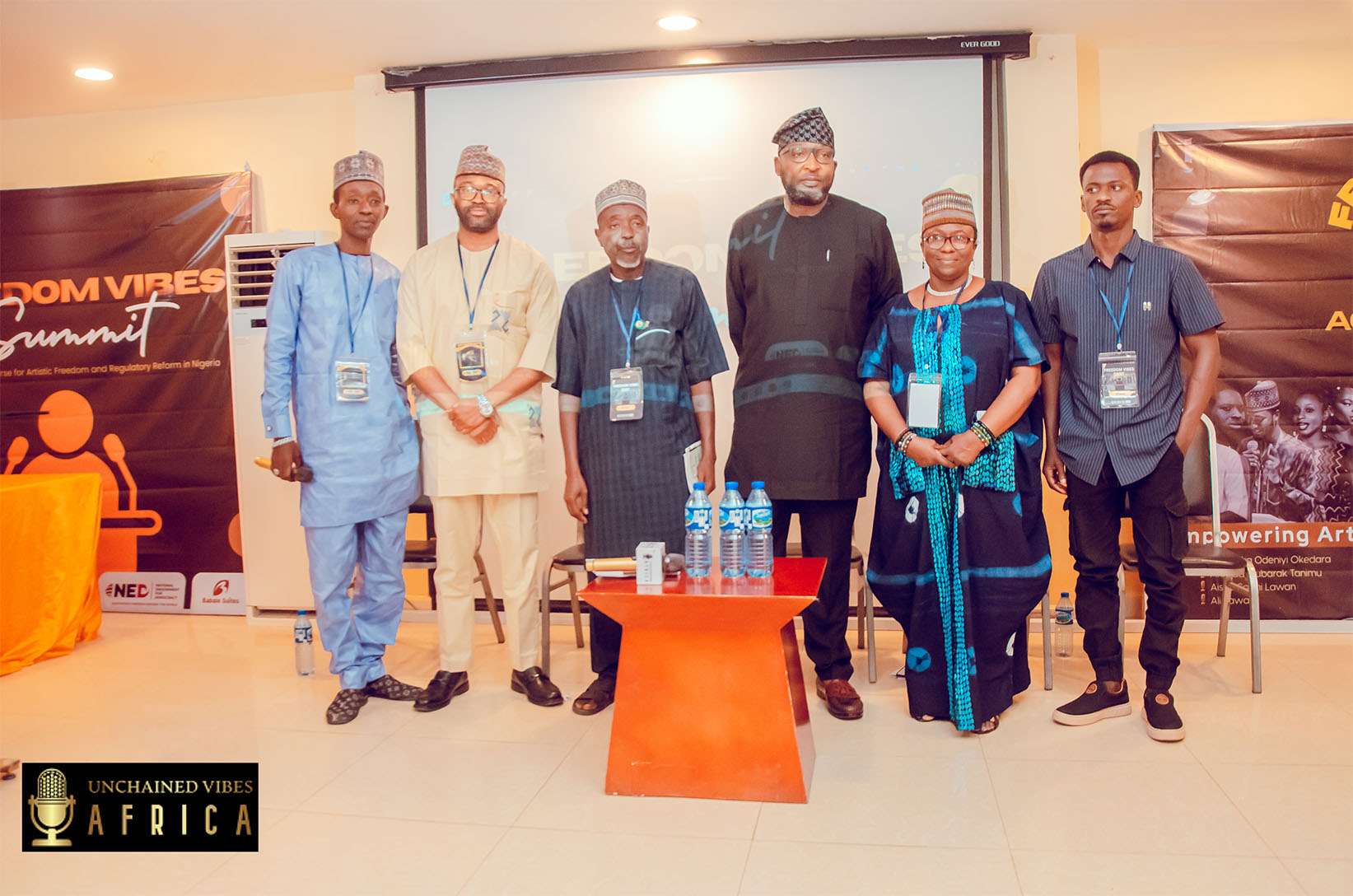
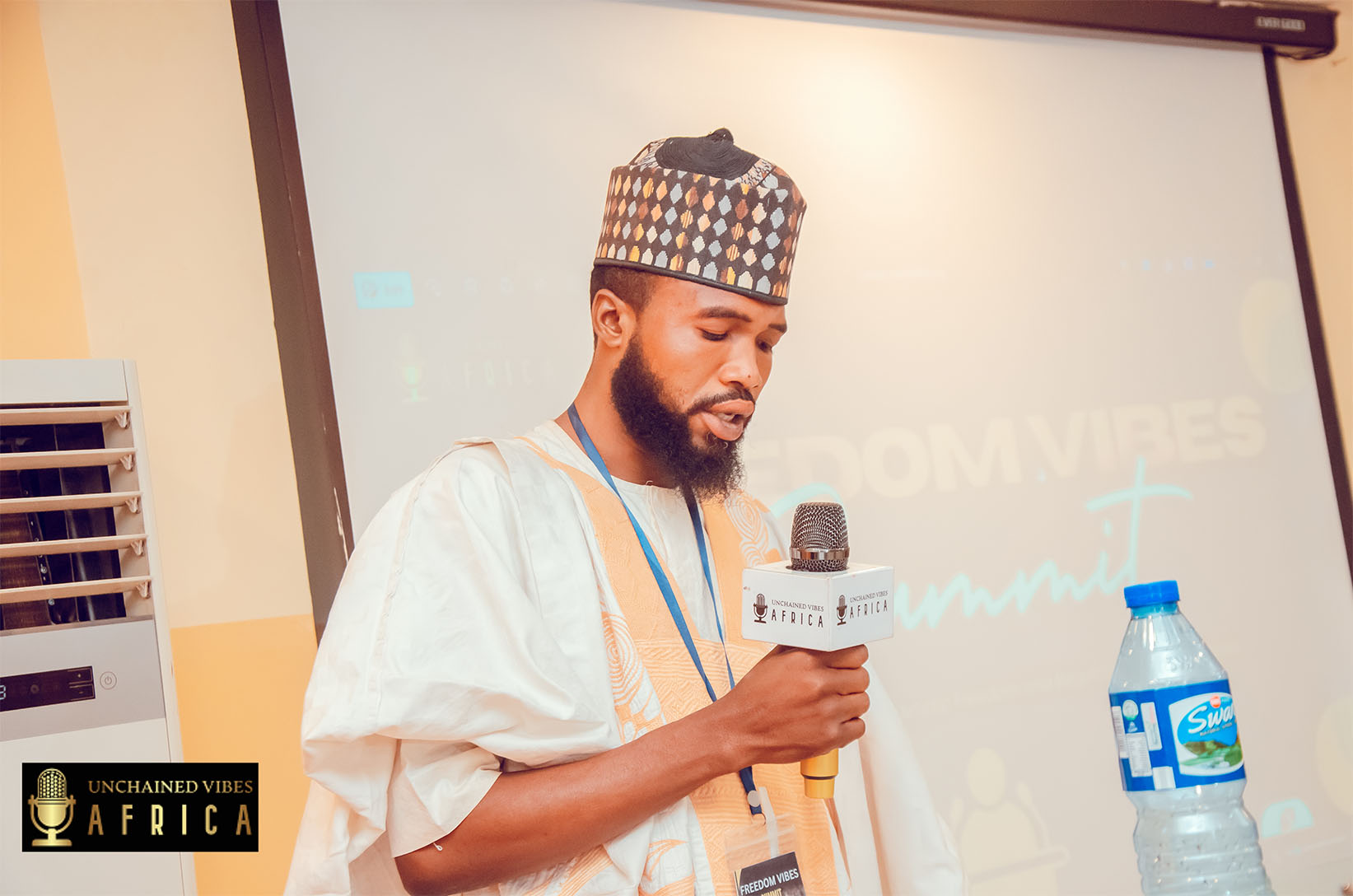
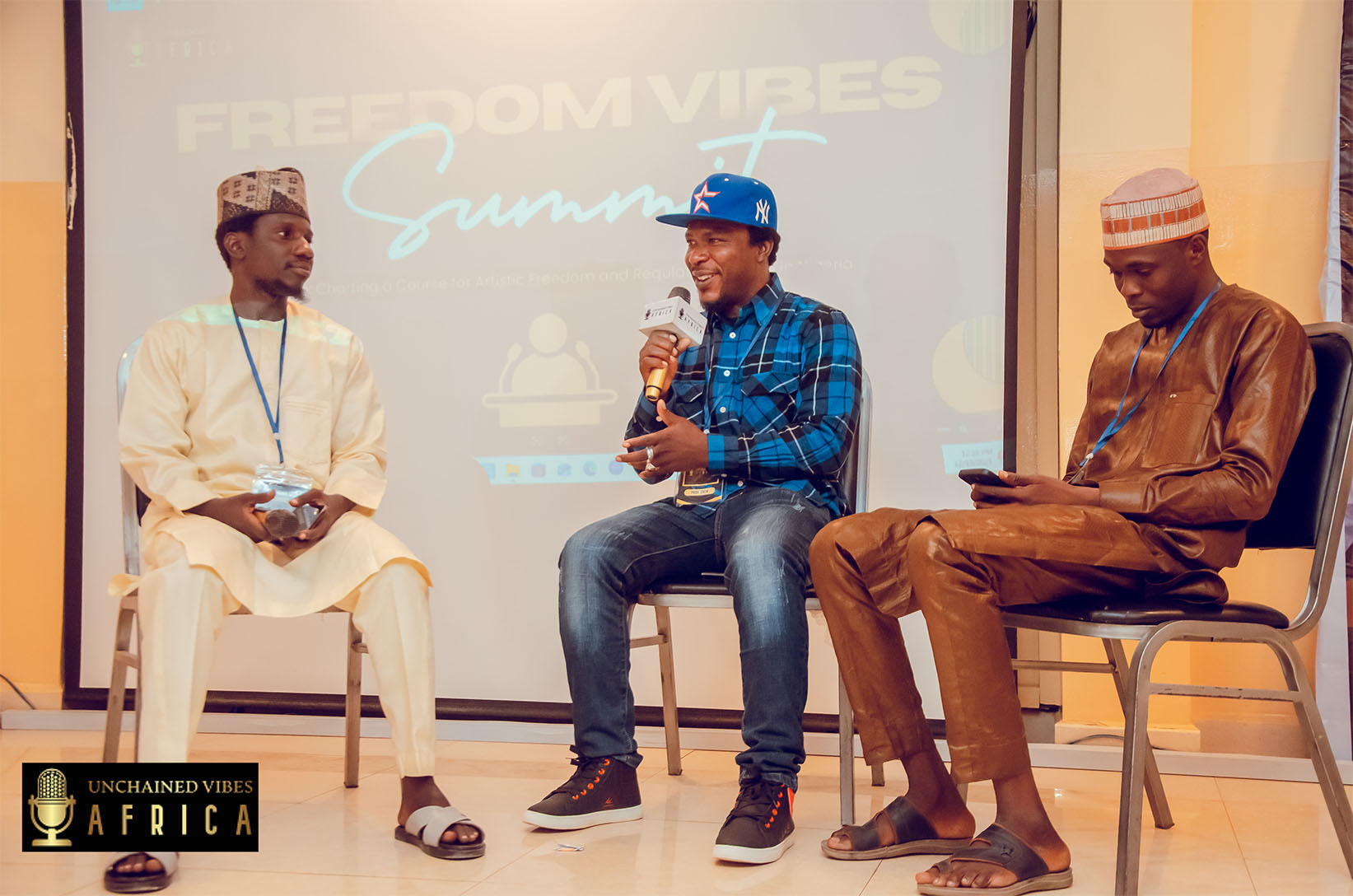
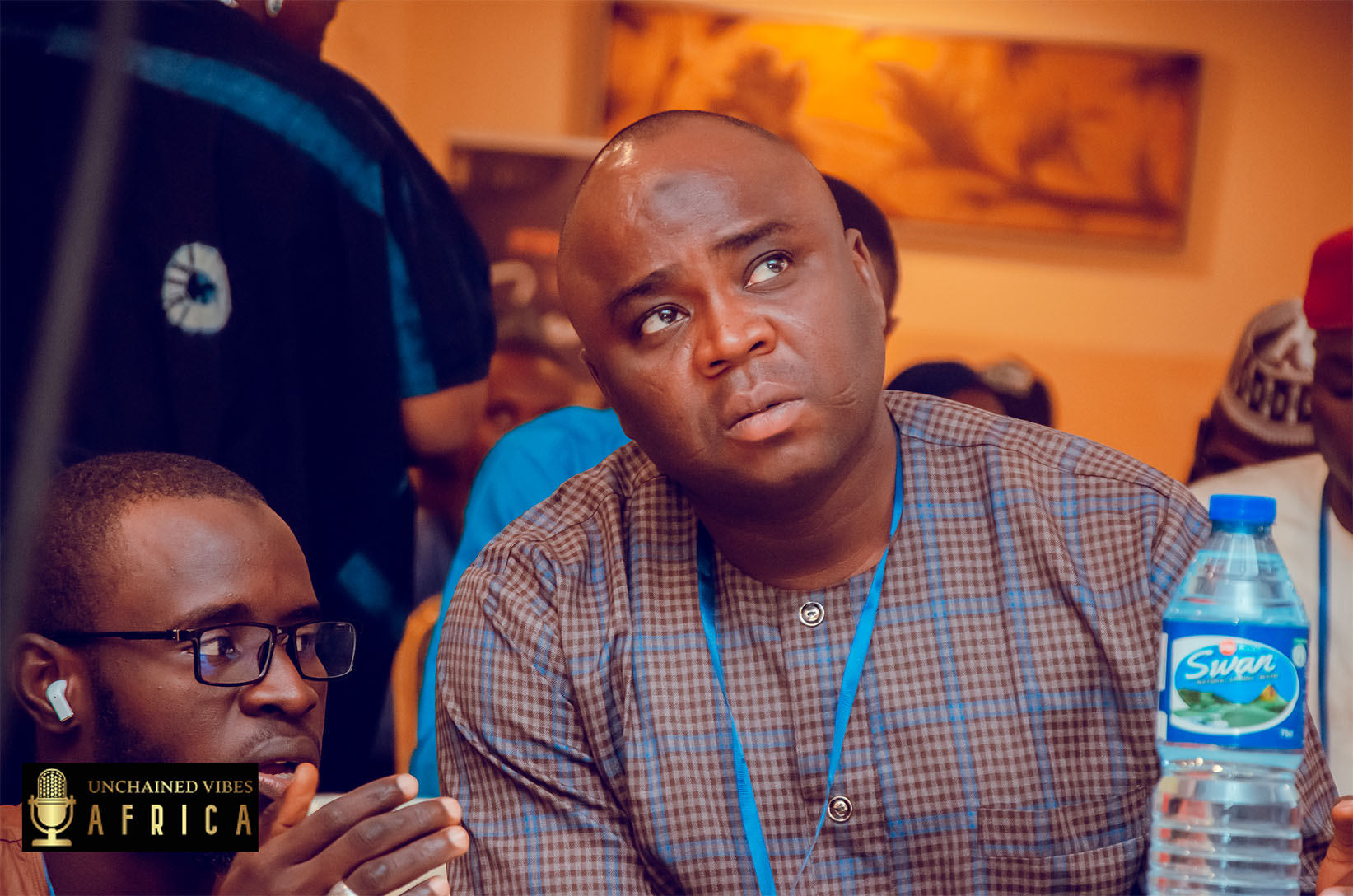
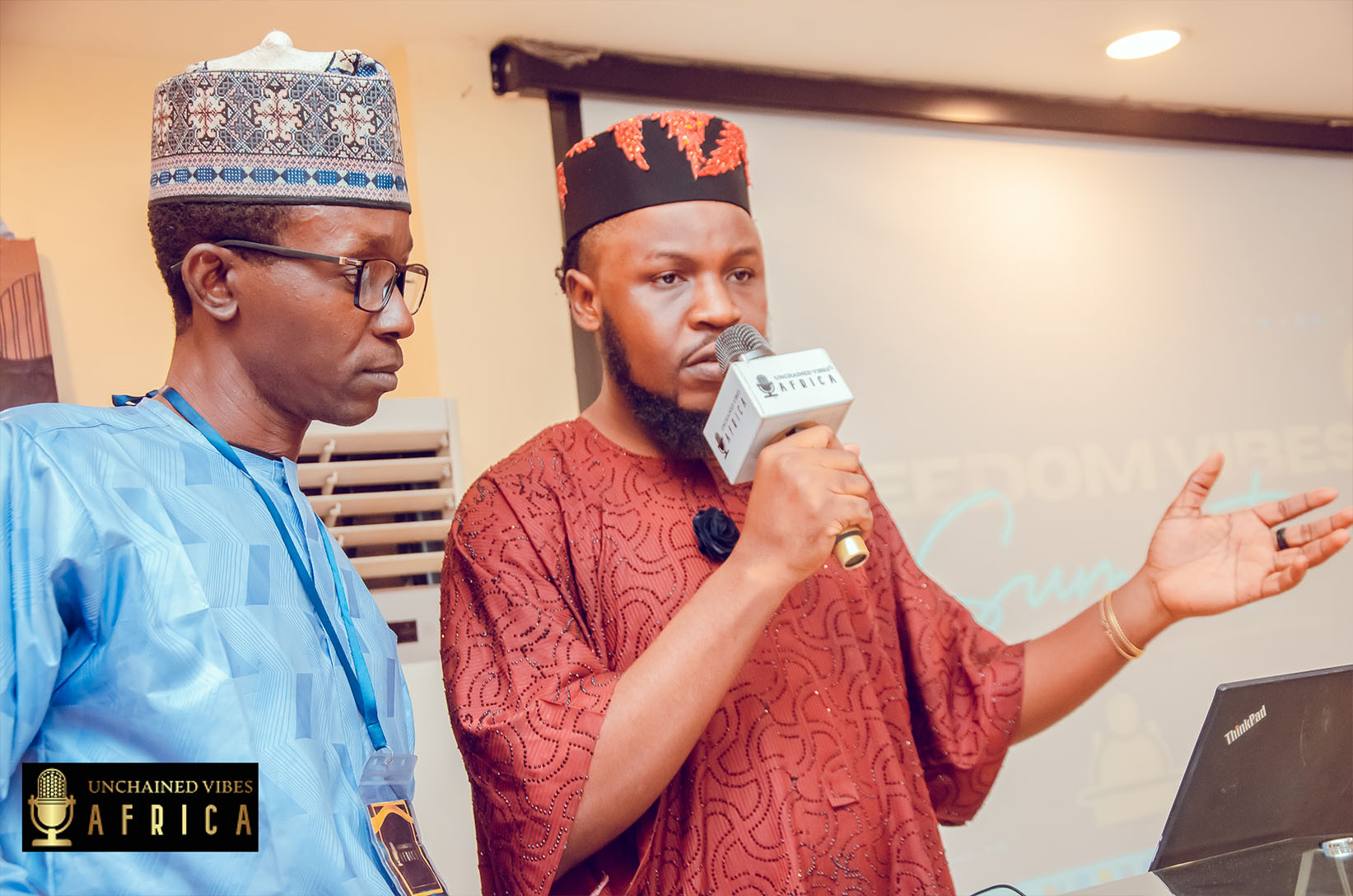
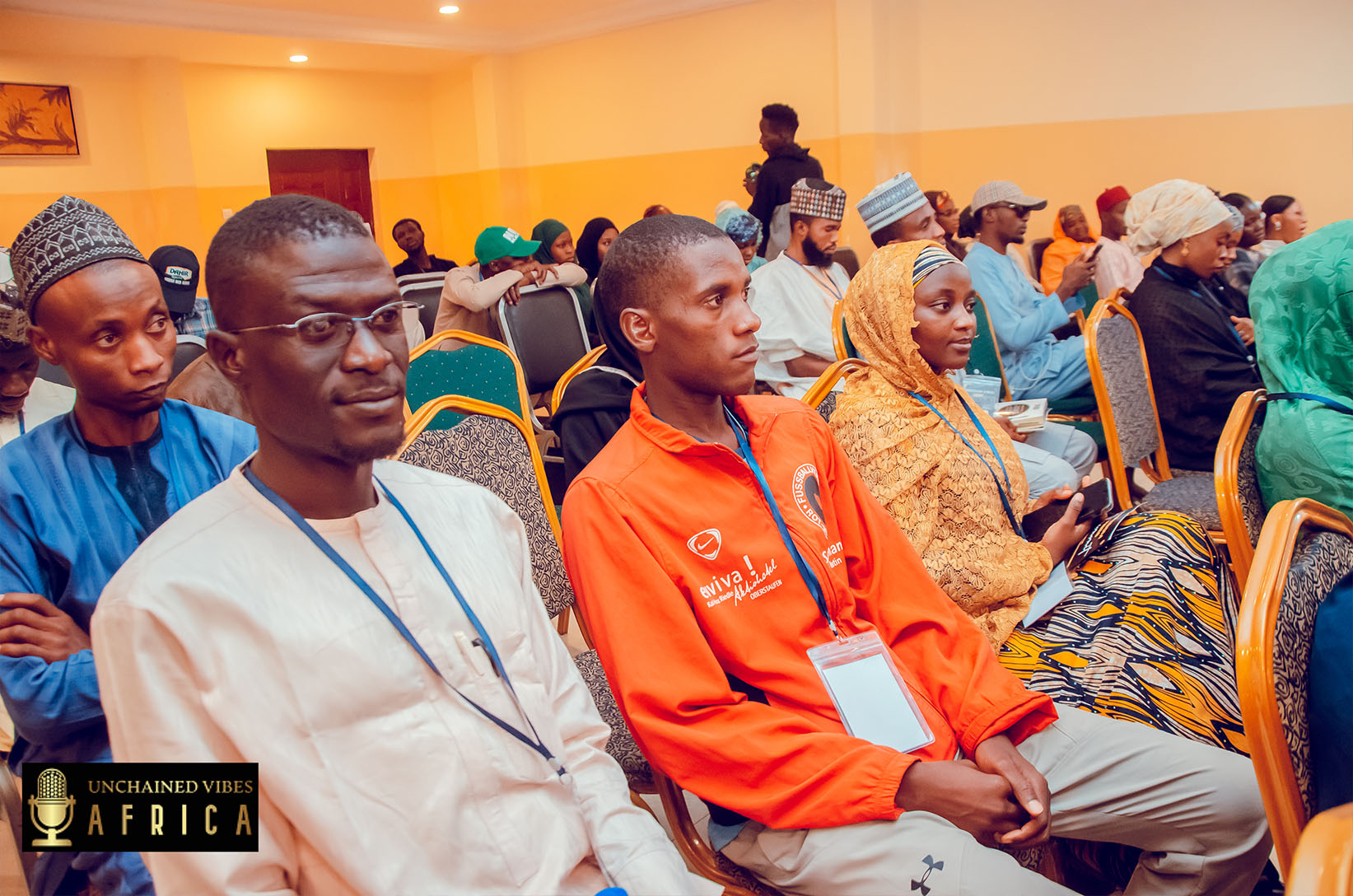
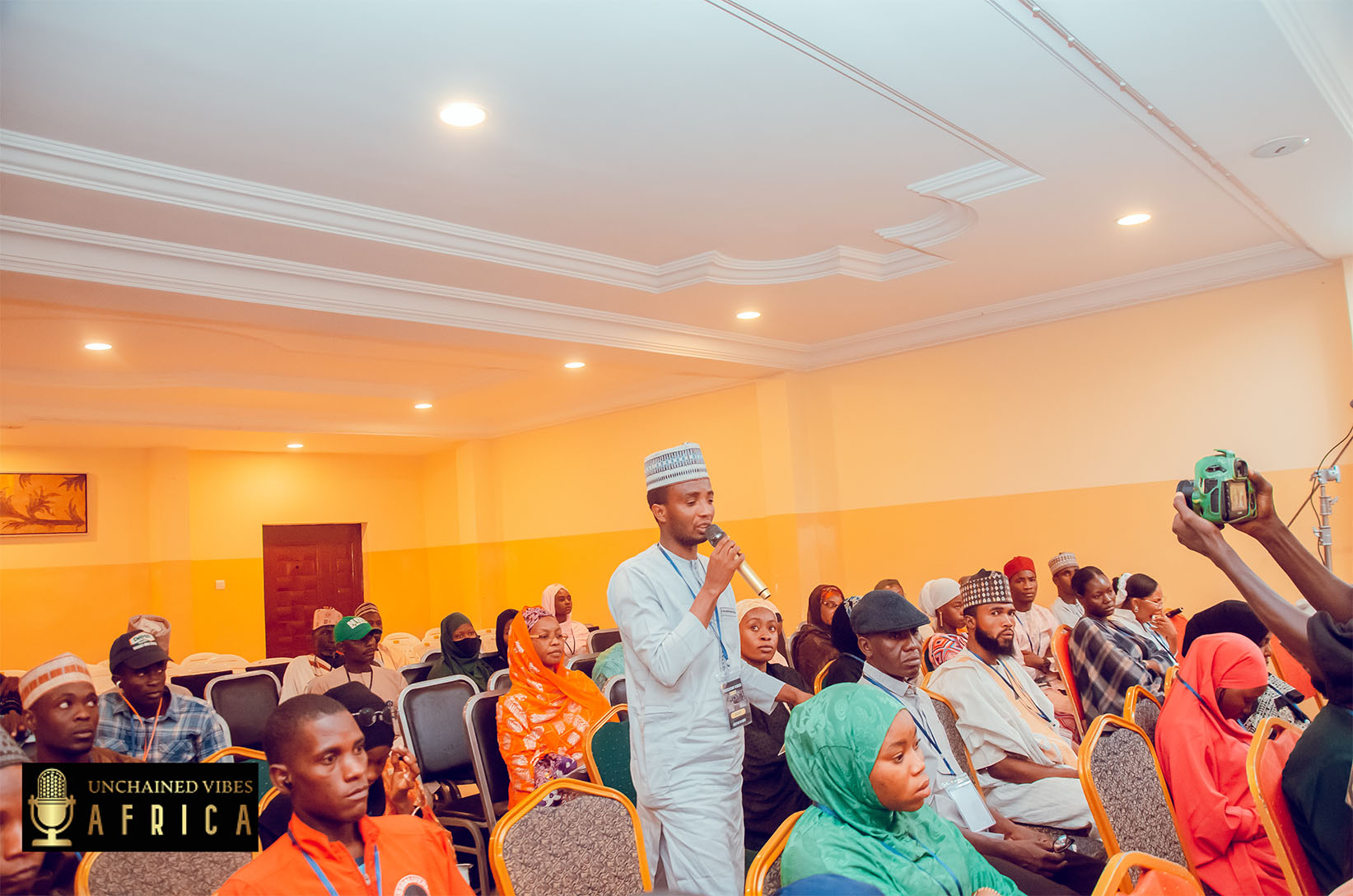
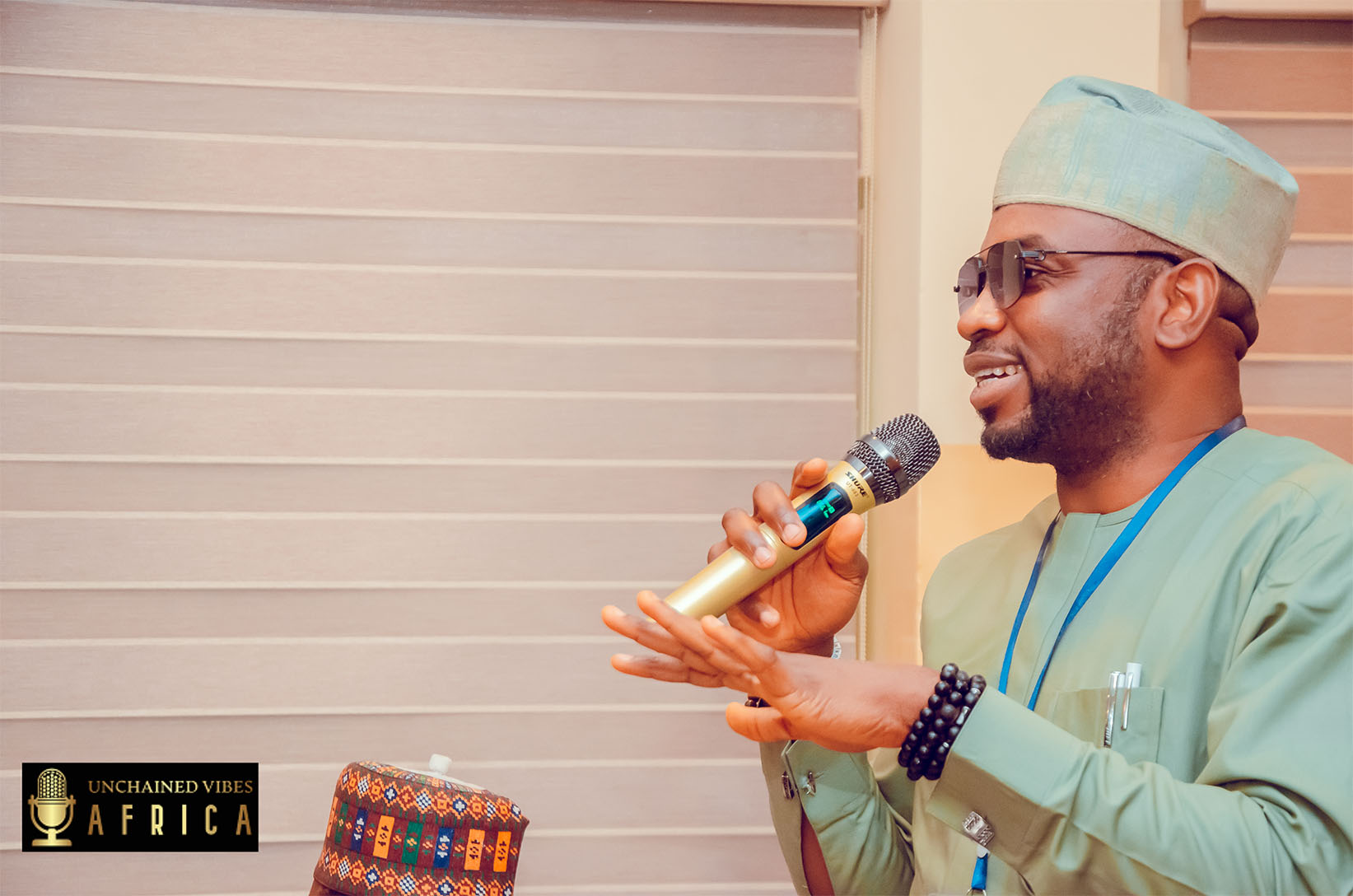
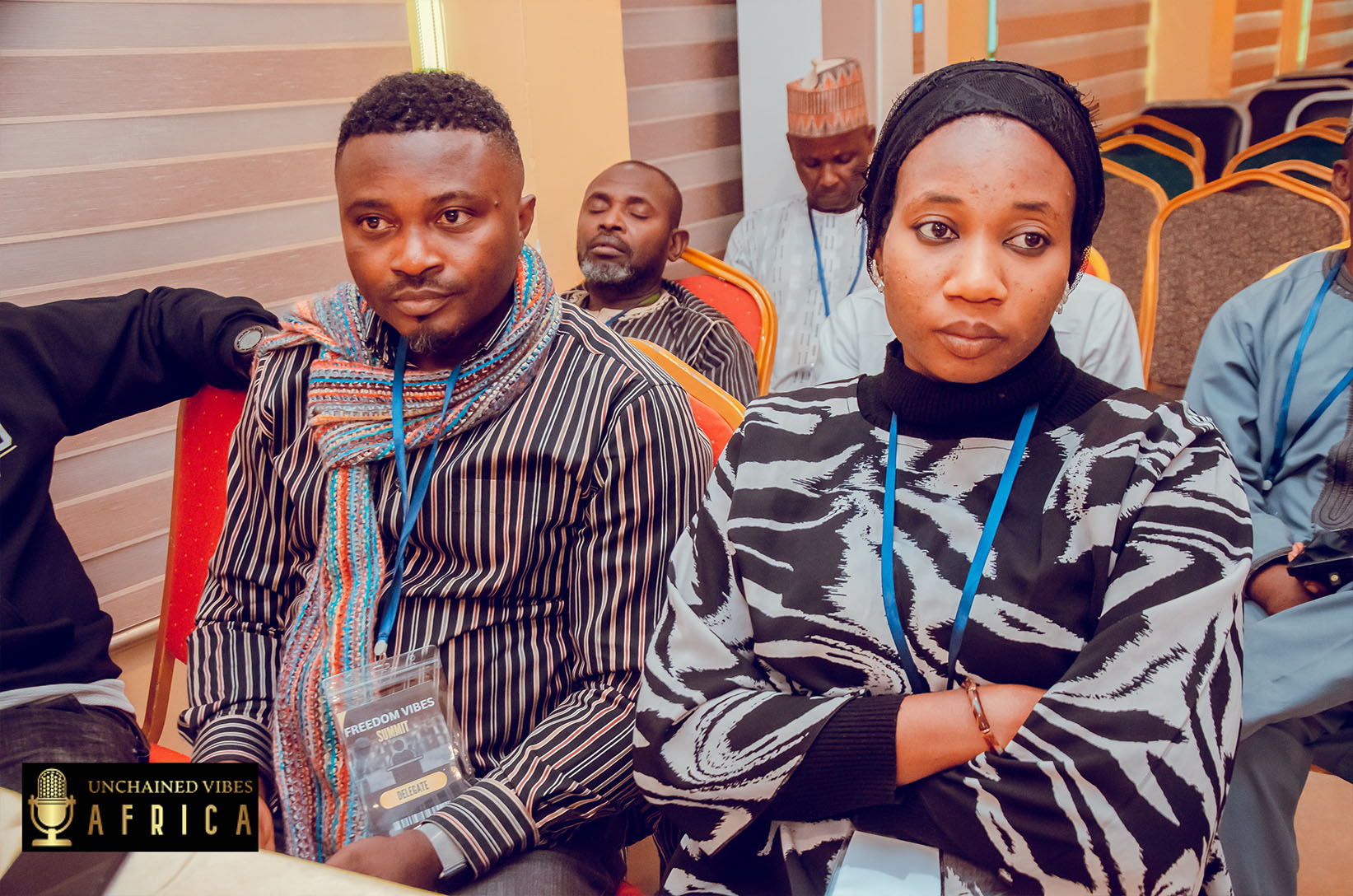
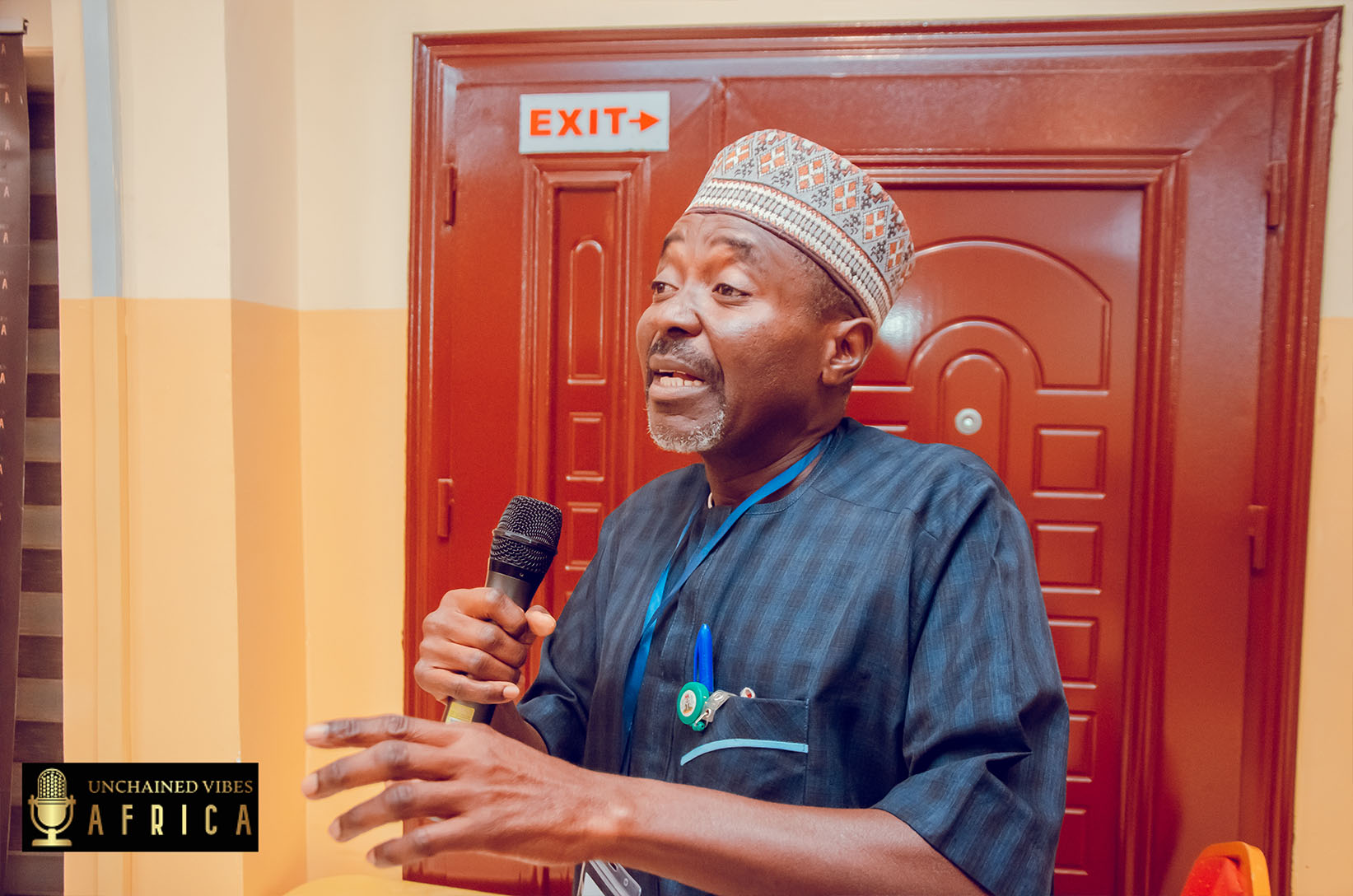
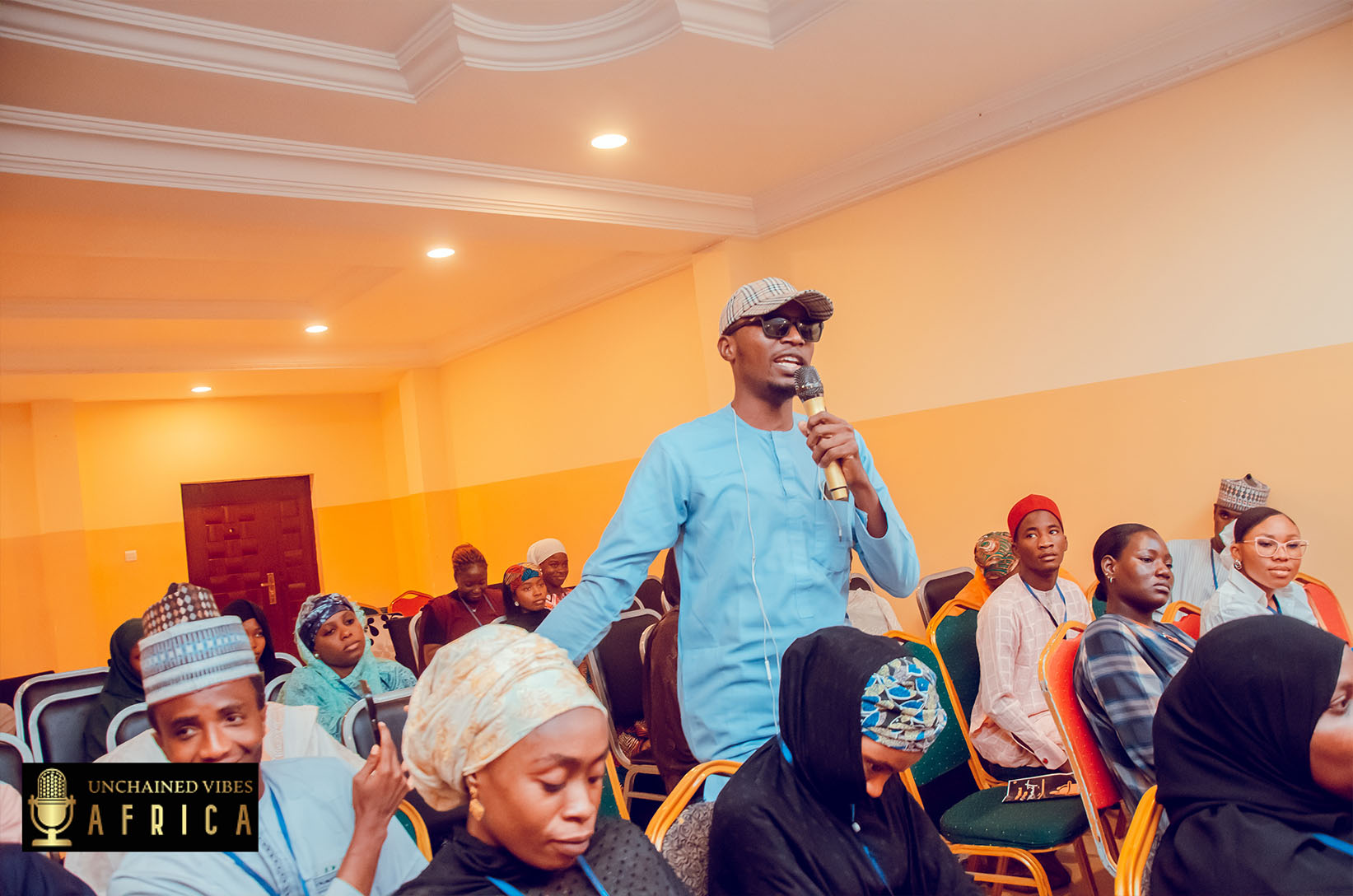
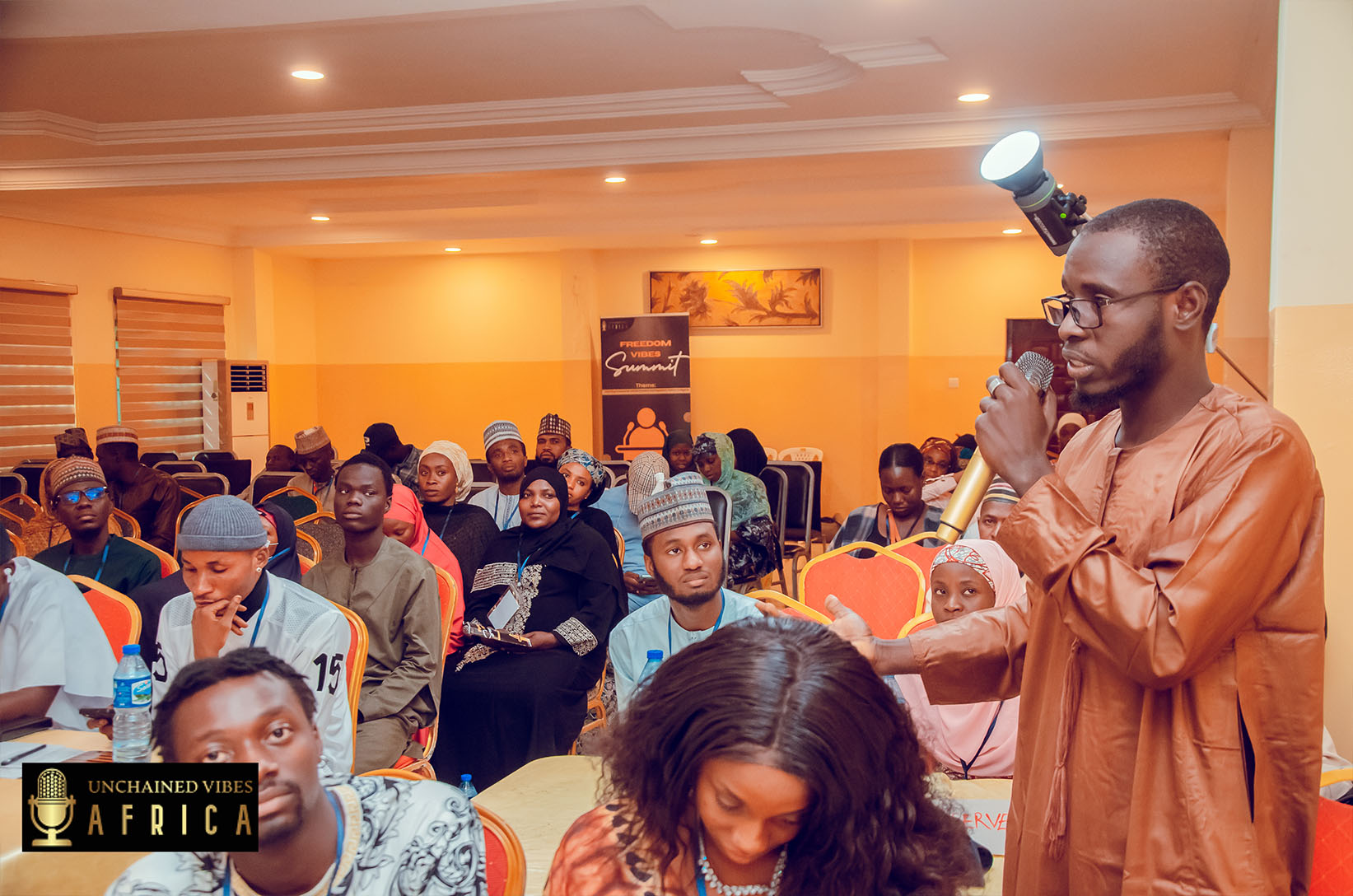
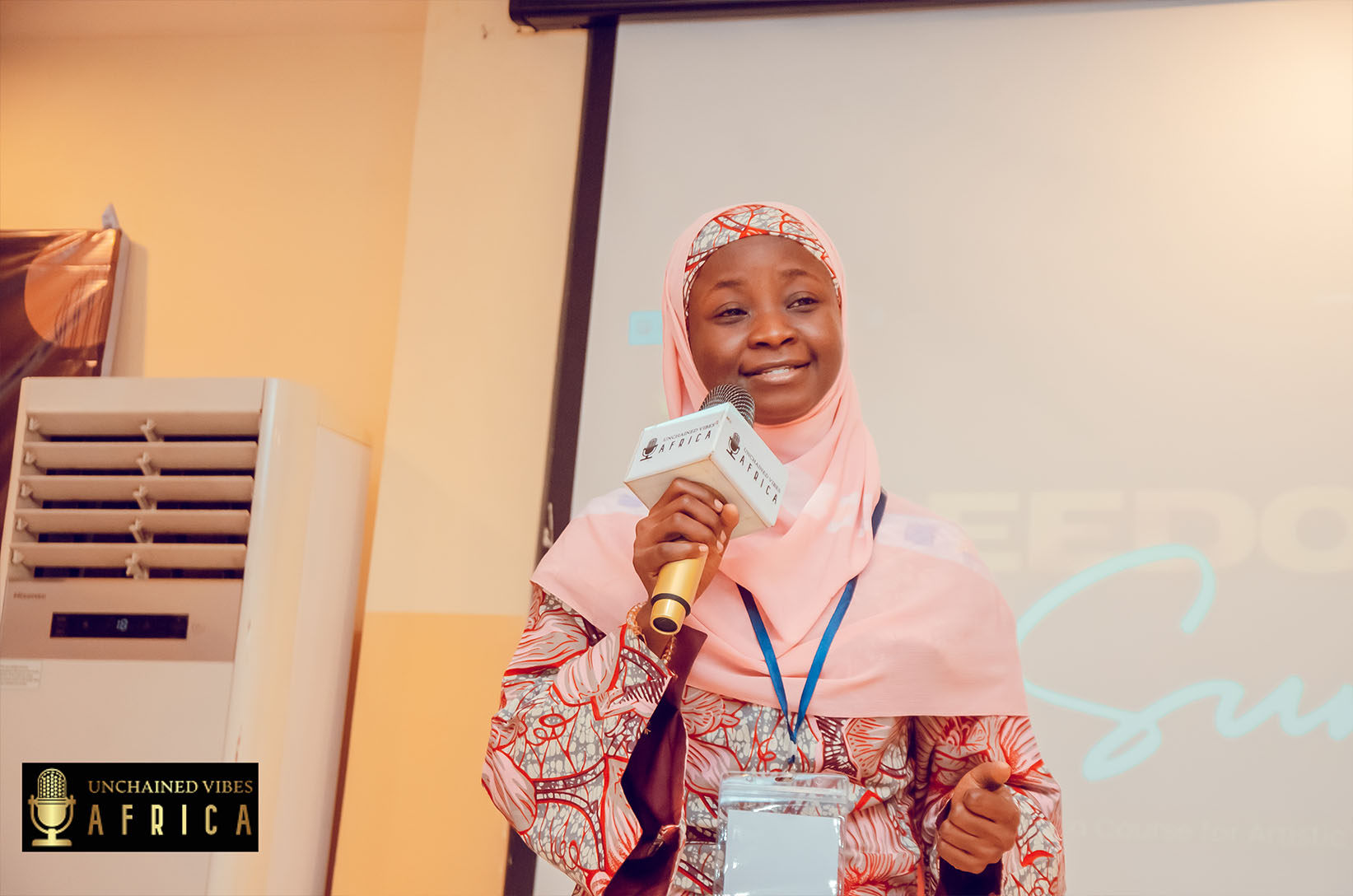
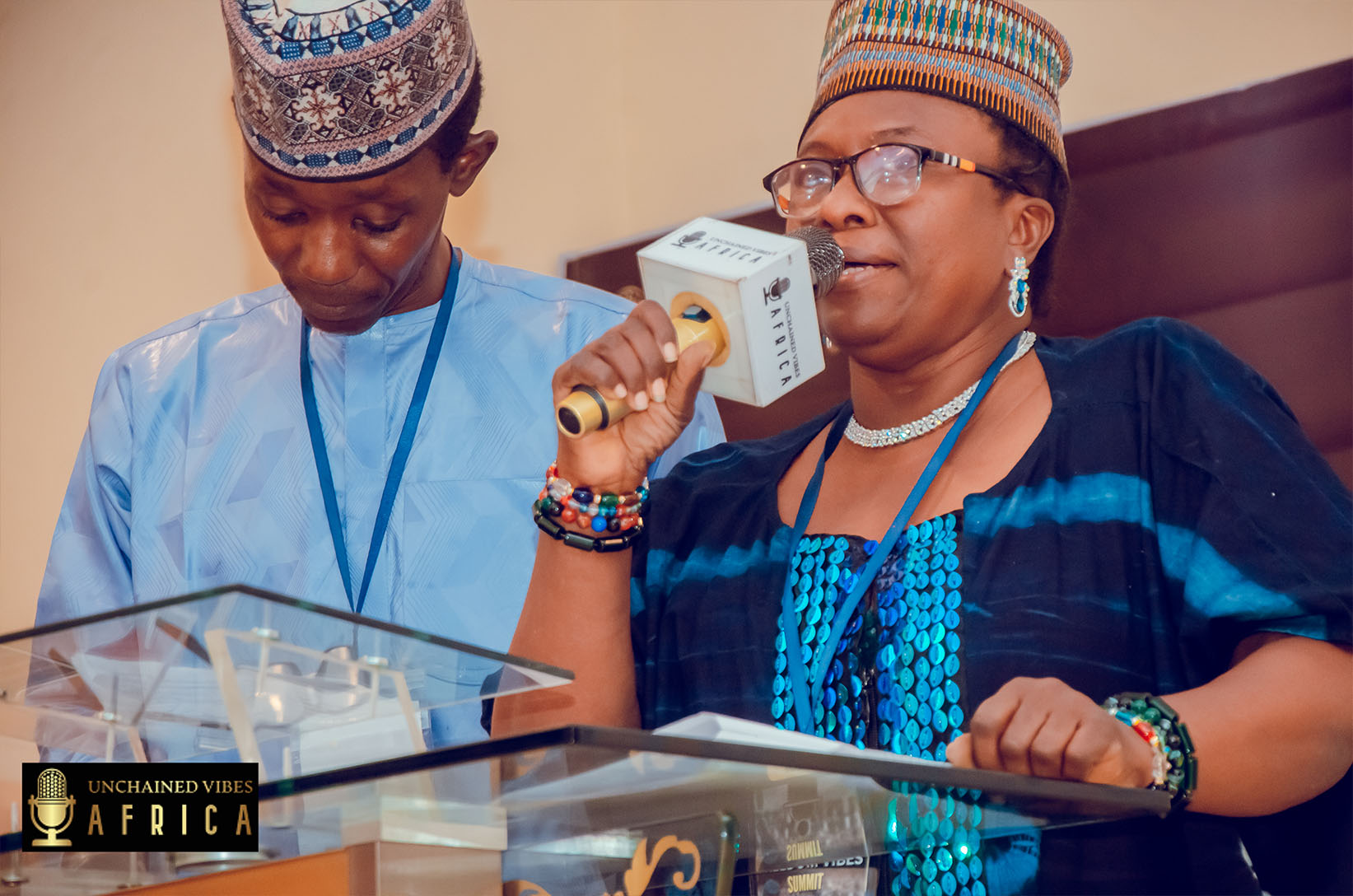
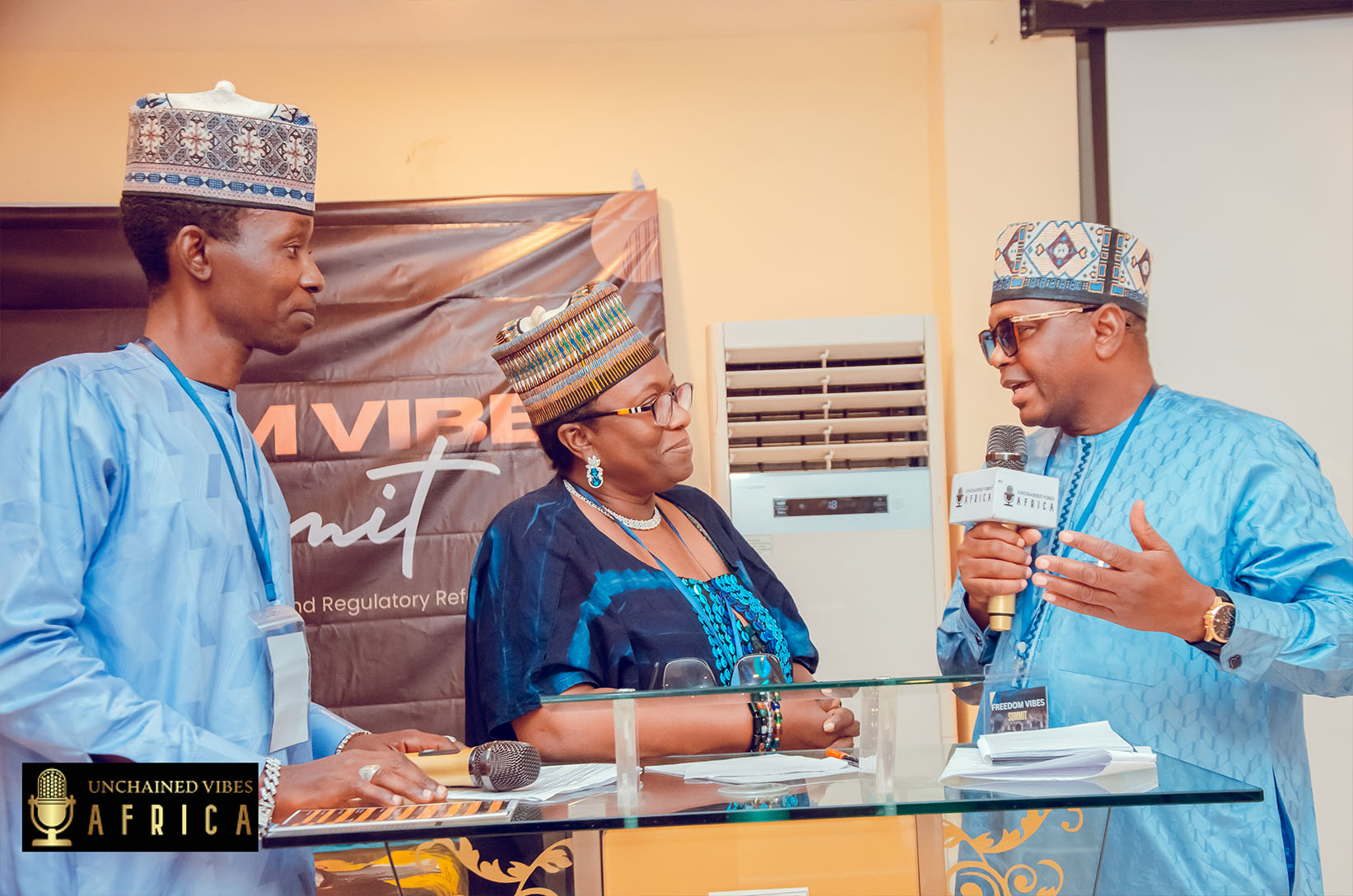
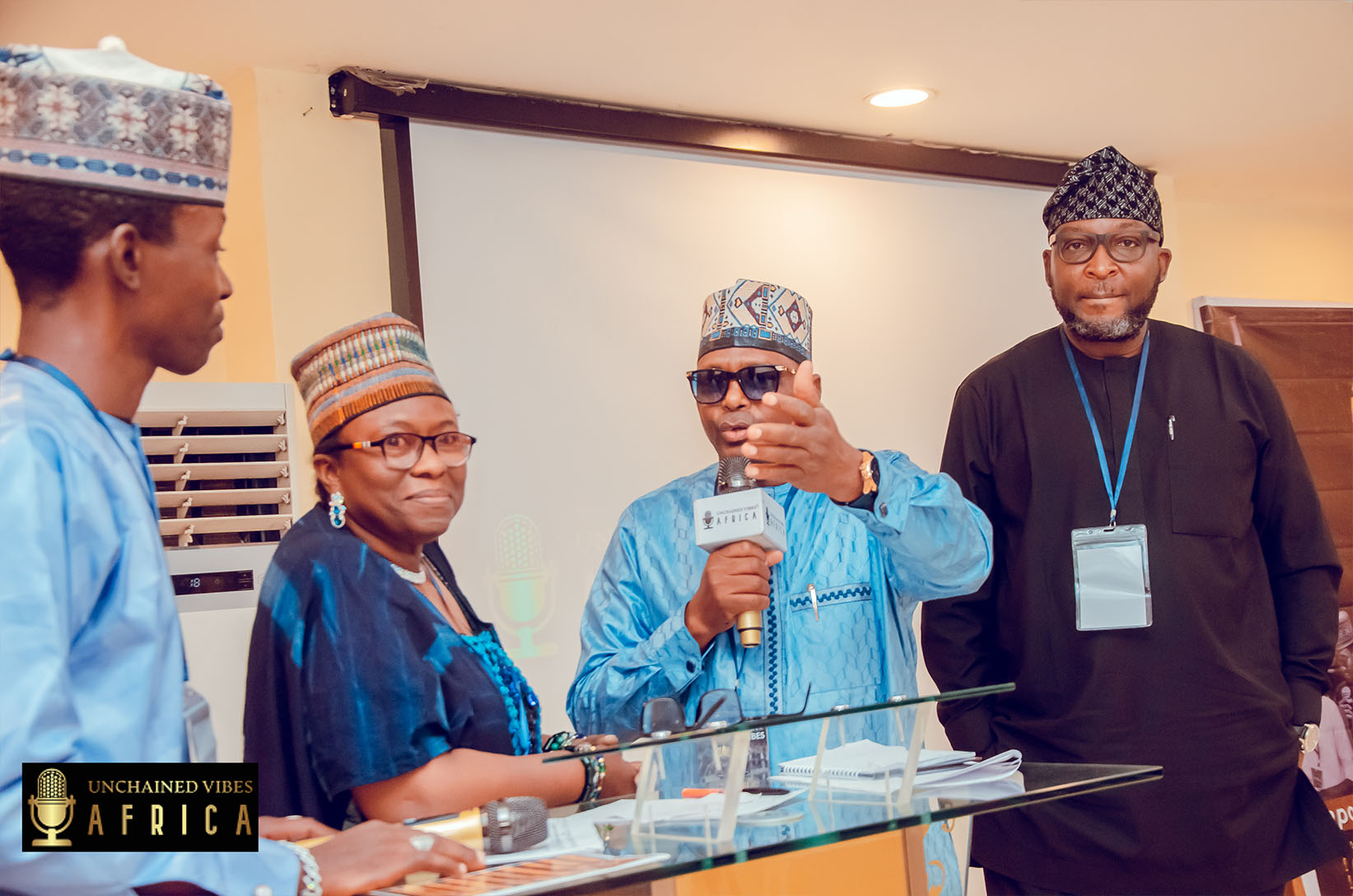
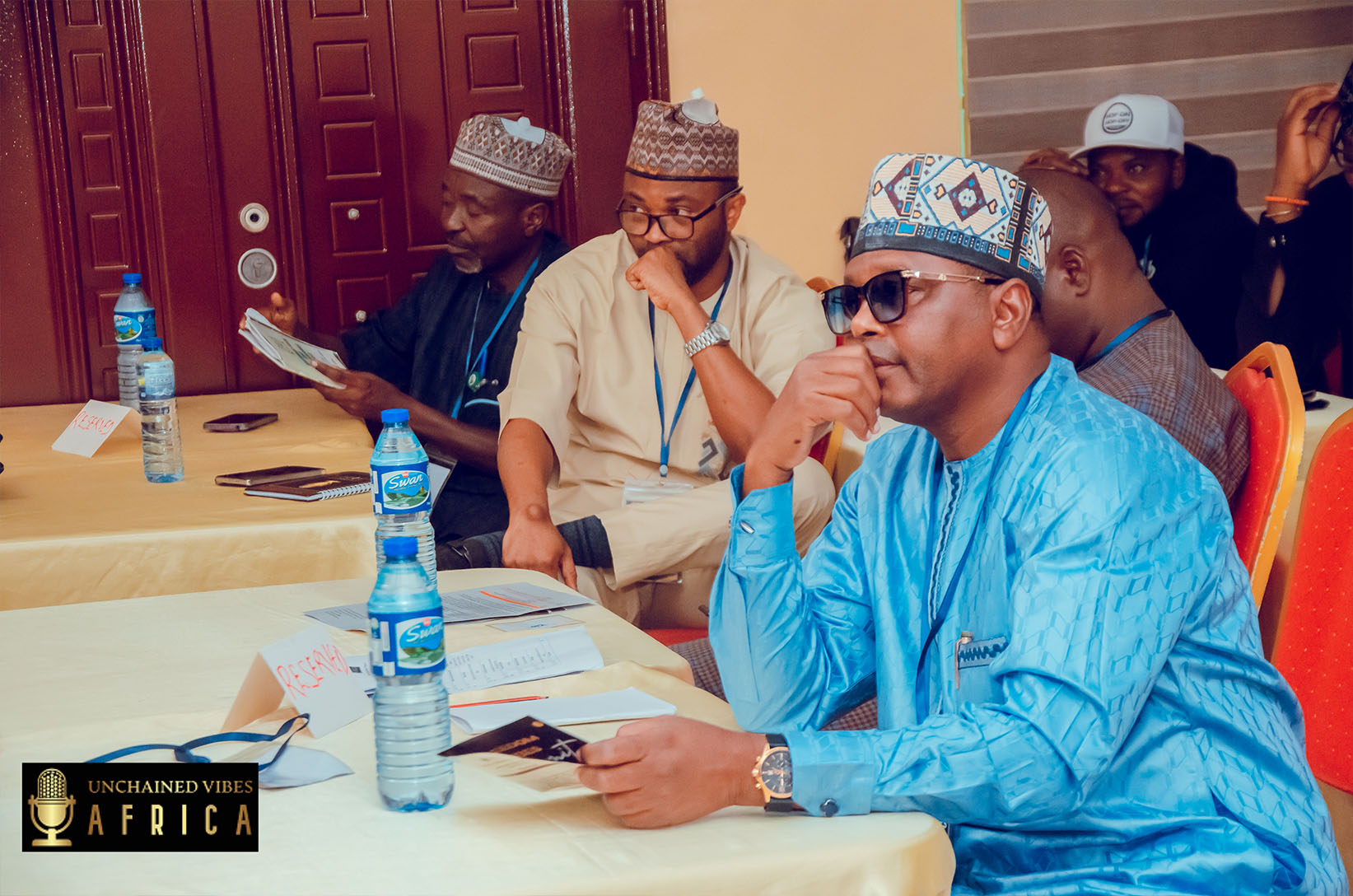
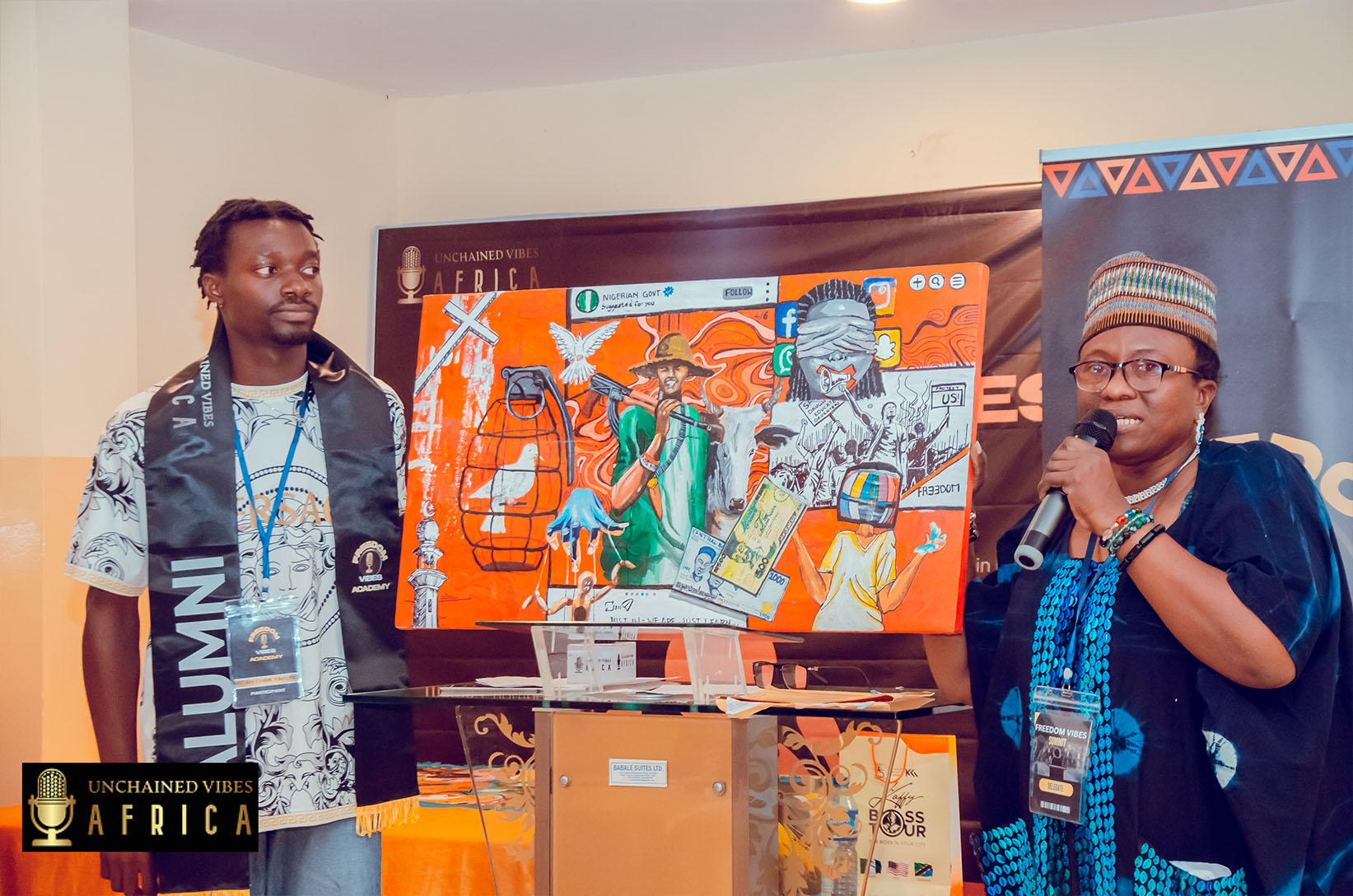
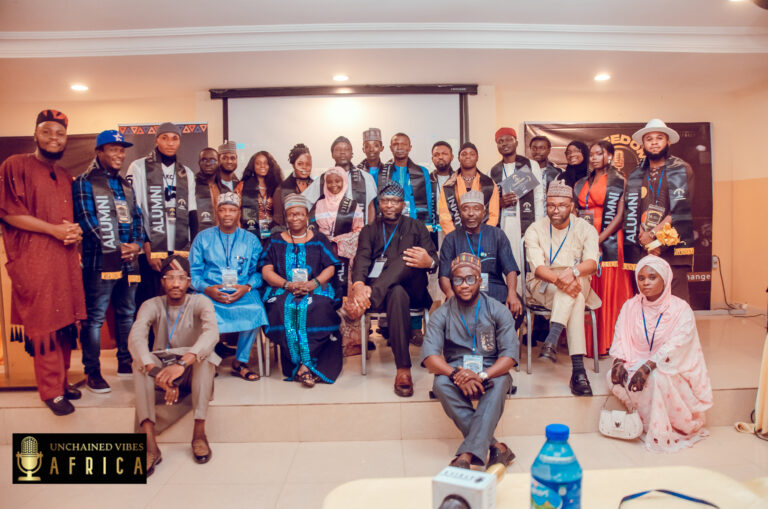
On Wednesday, 10 December 2025, Unchained Vibes Africa (UVA) hosted the 3rd edition of the Freedom Vibes Summit in Kano, themed “Charting a Course for Artistic Freedom and Regulatory Reform in Nigeria.” The Summit brought together artists, cultural practitioners, lawyers, activists, community leaders, media professionals and representatives of relevant government agencies from across Nigeria.
The gathering provided a platform for robust dialogue on the rising cases of artistic freedom violations documented throughout 2025, out of which the number of cases emerging from Kano State remains significant. Deliberations focused on censorship, arbitrary arrests, harassment of TikTokers and other digital content creators, and the growing tension between artists and regulatory agencies at state and federal levels.
Stakeholders represented:
- Artists from various disciplines, including filmmakers, musicians and producers, skit makers/TikTok content creators, writers, poets, comedians and other creatives. Some of the prominent personalities in attendance included the trailblazing English teacher, author and film producer Mallam Kabiru Musa Jammaje; celebrated Kannywood Actor and one of the stars of The Herd – the critically acclaimed 2025 movie Abba Ali Zaky; Hausa hip-hop Ambassador Aminu Abba Umar “Nomisgee; rappers and on-Air personalities Saifullah Ibrahim, k.a Dr Pure (UVA Northern Representative) and E-Yacoub Ismail, a.k.a Ricqy Ultra (UVA Freedom Vibes Academy Alumnus). UVA Executive Producer Ayodele Ganiu and UVA Advocacy Manager Sola Alamutu (The Green Queen) complemented the artistic community inputs with cultural policy perspectives.
- Representatives of key regulatory bodies and other relevant government agencies in attendance included the National Film and Video Censors Board (NFVCB) delegation led by Mr Aliu Sanni (Zonal Coordinator, Northwest); National Orientation Agency(NOA) represented by Ms Zainab Bukarisa; Kano State Ministry of Culture and Tourism represented by Mr Nafiu Nasidi Mohammed; Kano State History and Culture Bureau represented by Ms Jamila Wada Kura; and representatives from other key government agencies such as Federal Radio Corporation of Nigeria.
- Civil Society Organizations (CSOs), including representatives from Center for Information Technology and Development (CITAD); Community Support and Development Initiative (CSADI); advocacy groups; development foundations; community-based organizations (CBOs); academic and research institutions
- Human rights lawyers, including recipient of the US Secretary of State International Religious Freedom Award Kola Alapinni and other legal experts
- Journalists from traditional print and broadcast media including Daily Trust; RAHAMA RADIO and TV; Freedom Radio; Radio Nigeria; ARTV Kano; individual bloggers and social media influencers
- Graduating participants of the 2025 Freedom Vibes Academy and members of the Freedom Vibes Academy Alumni Network
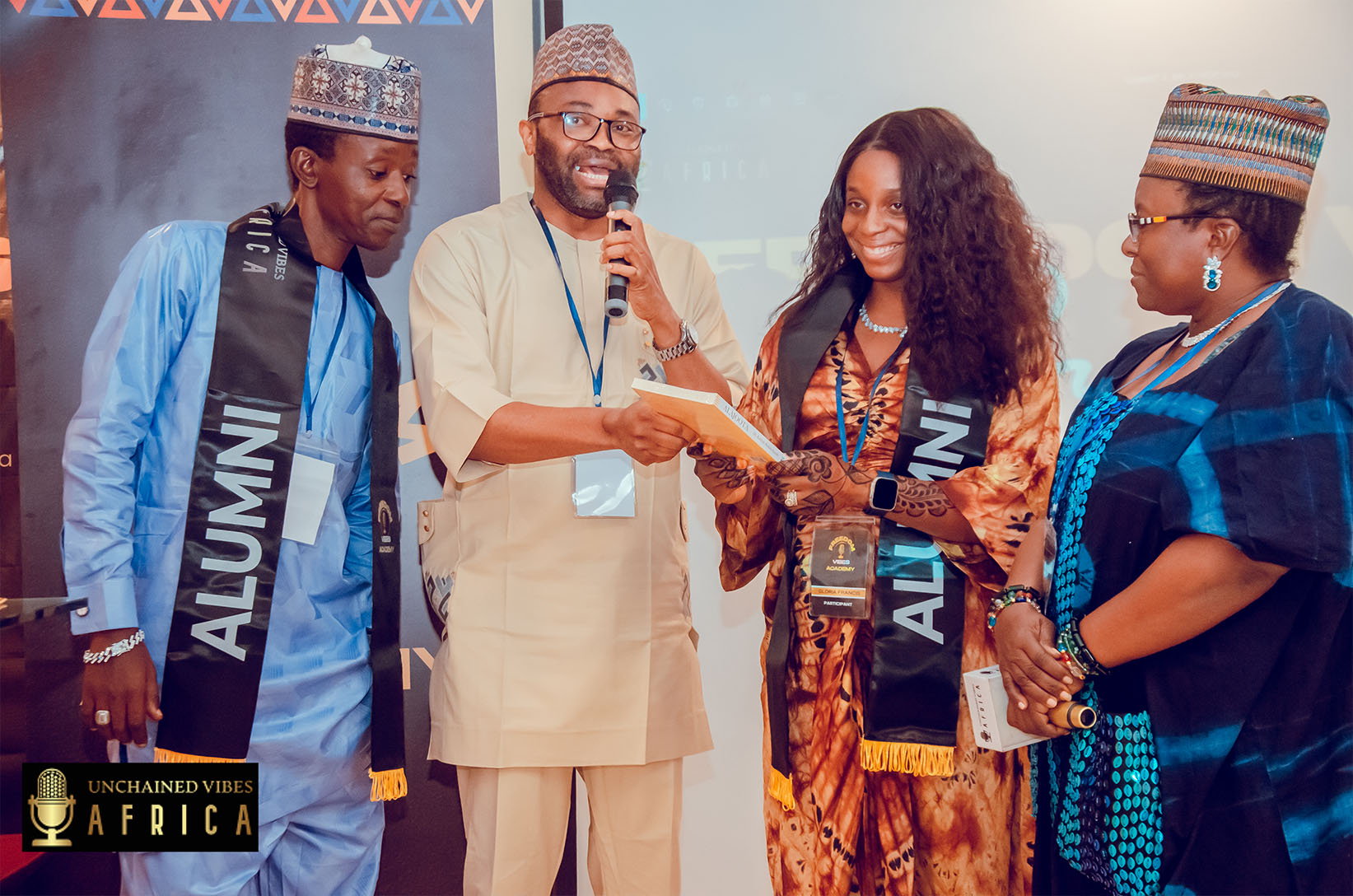
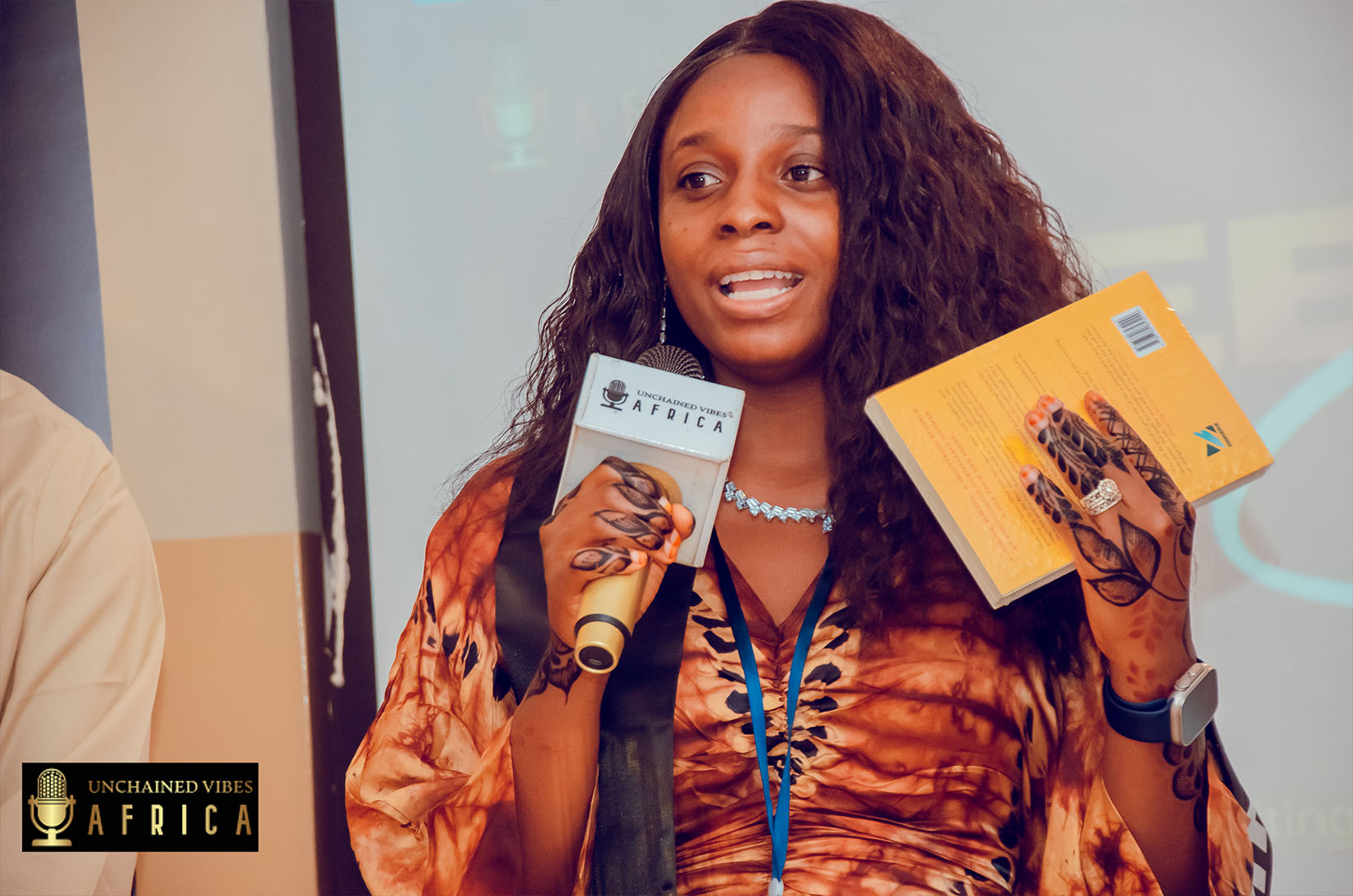
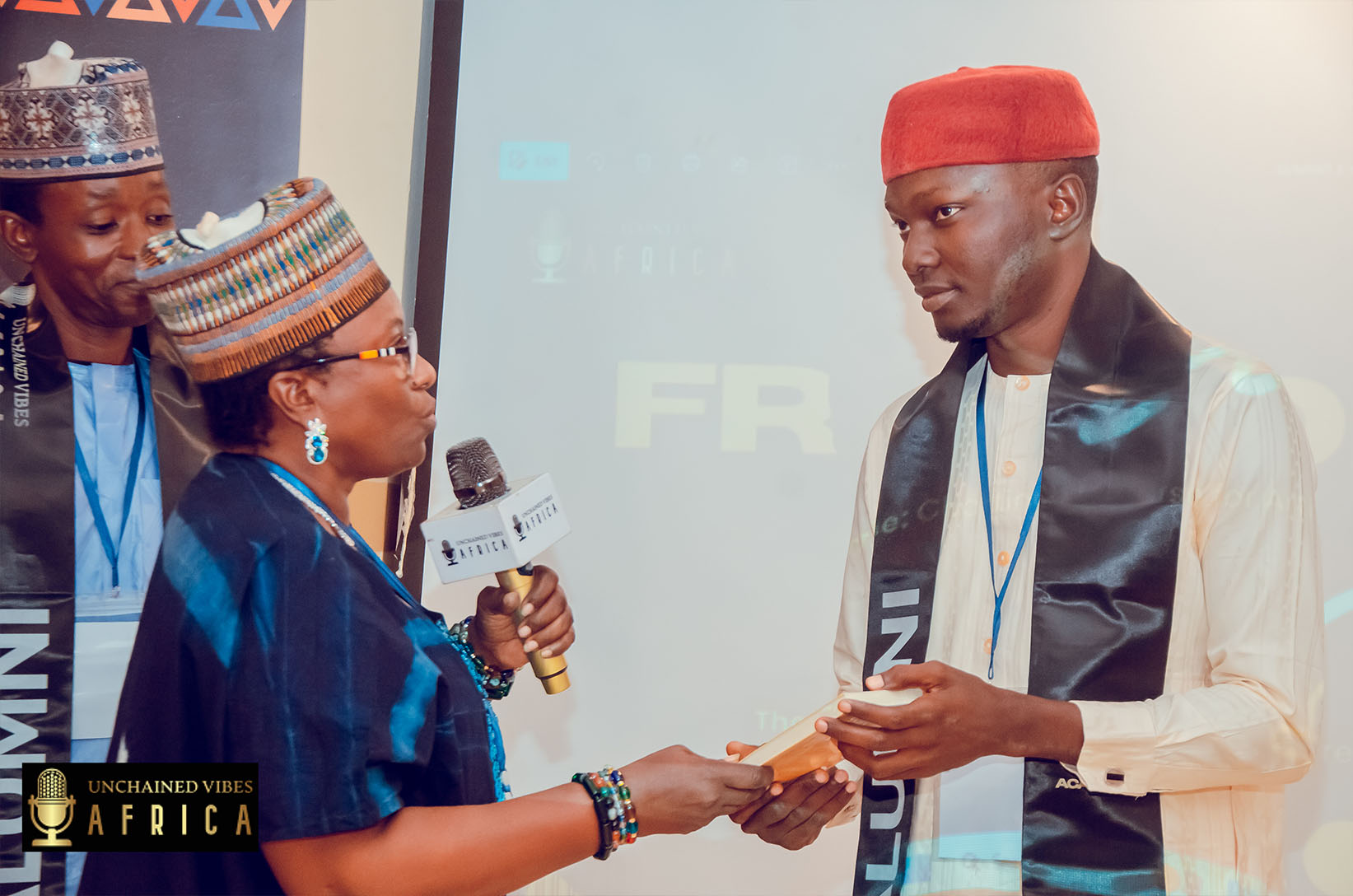
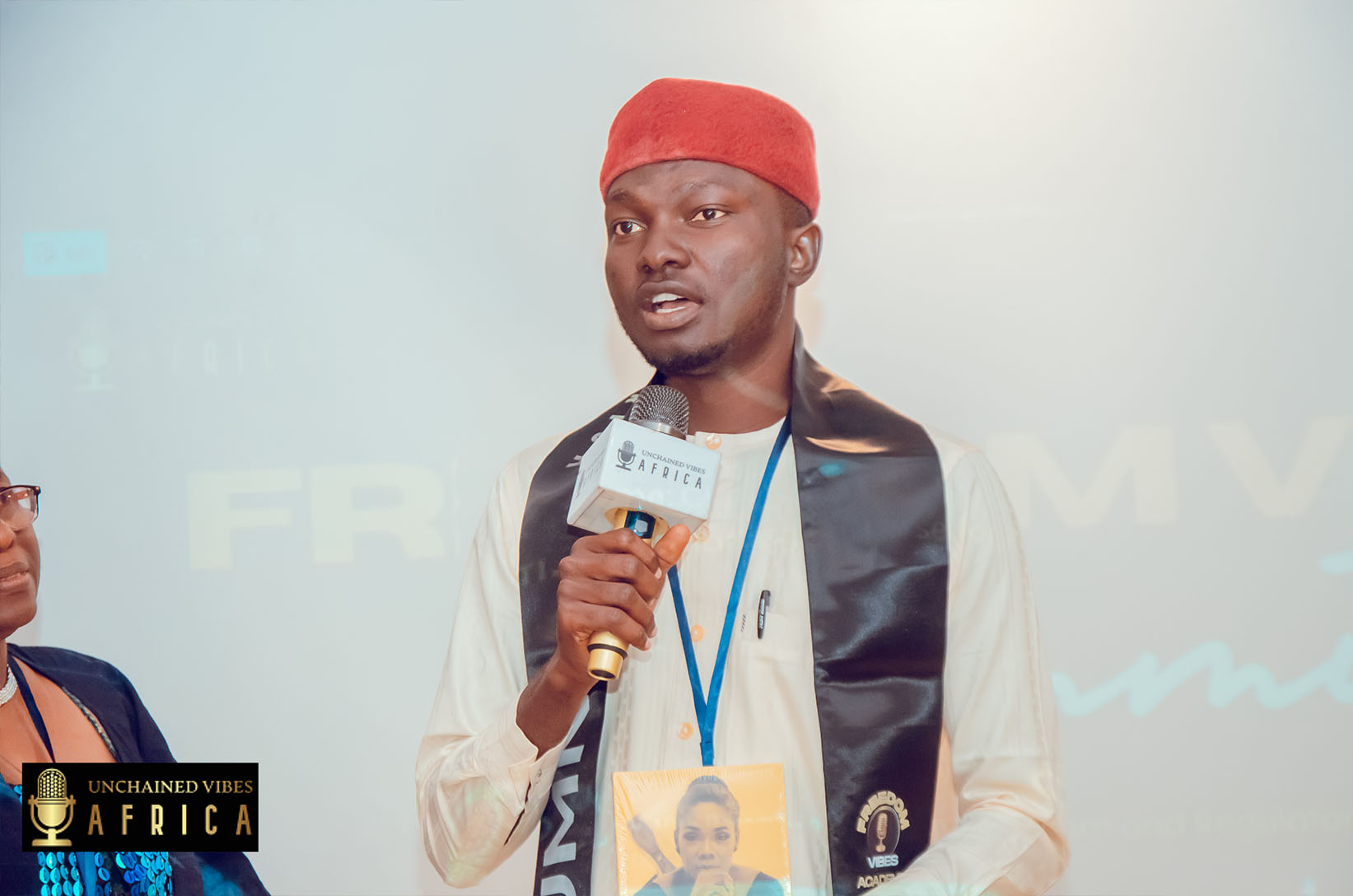
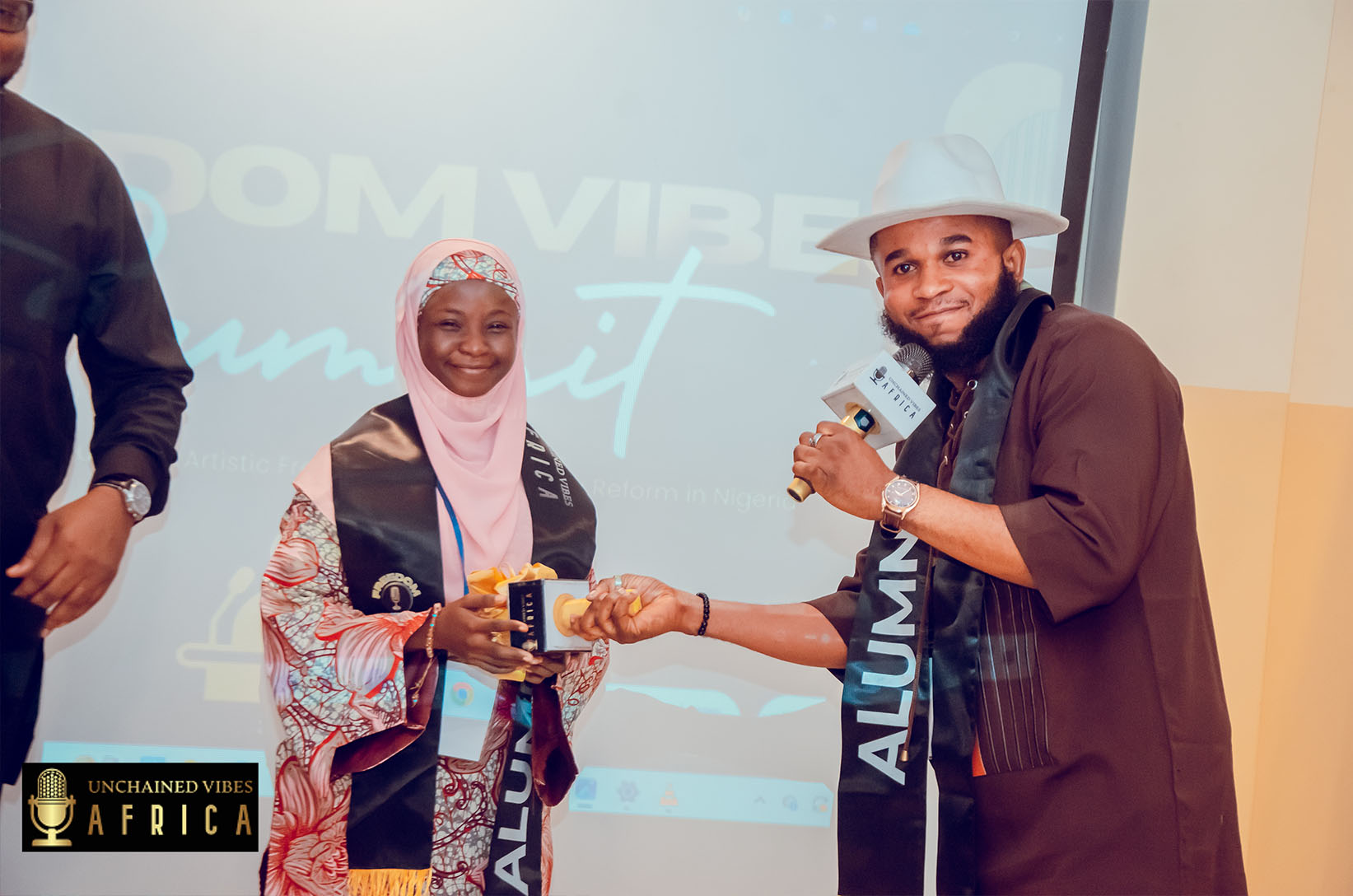
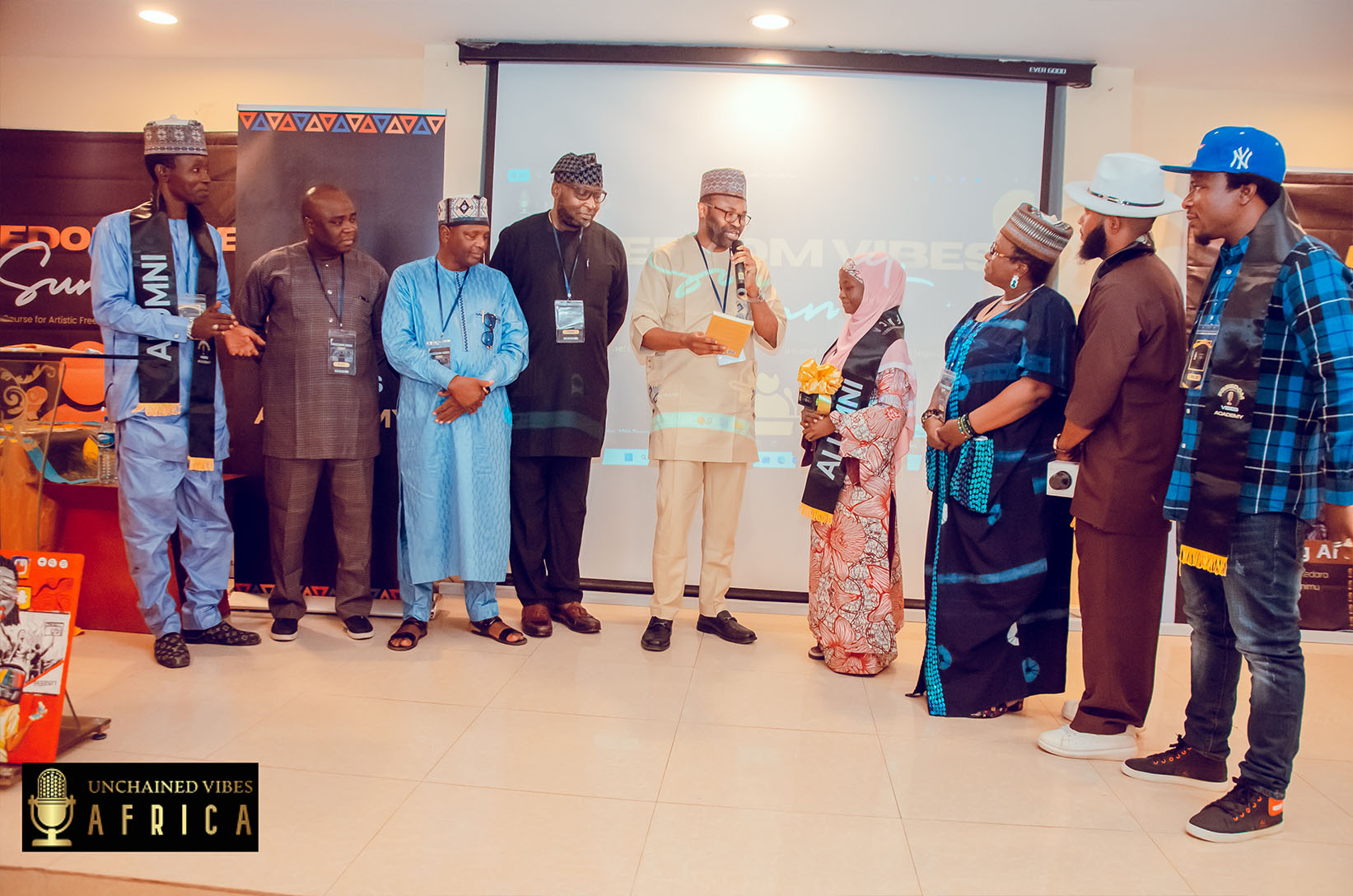
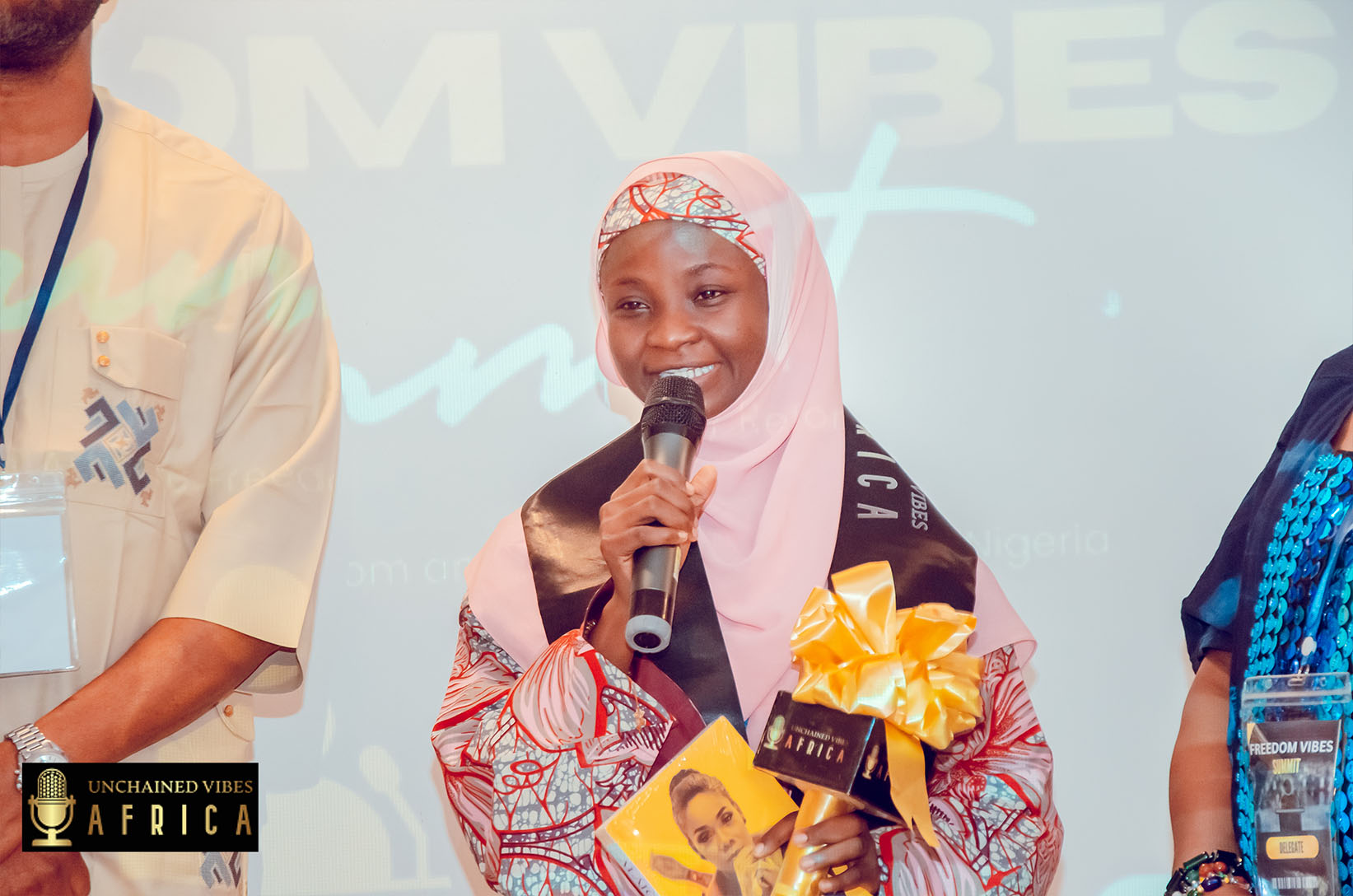
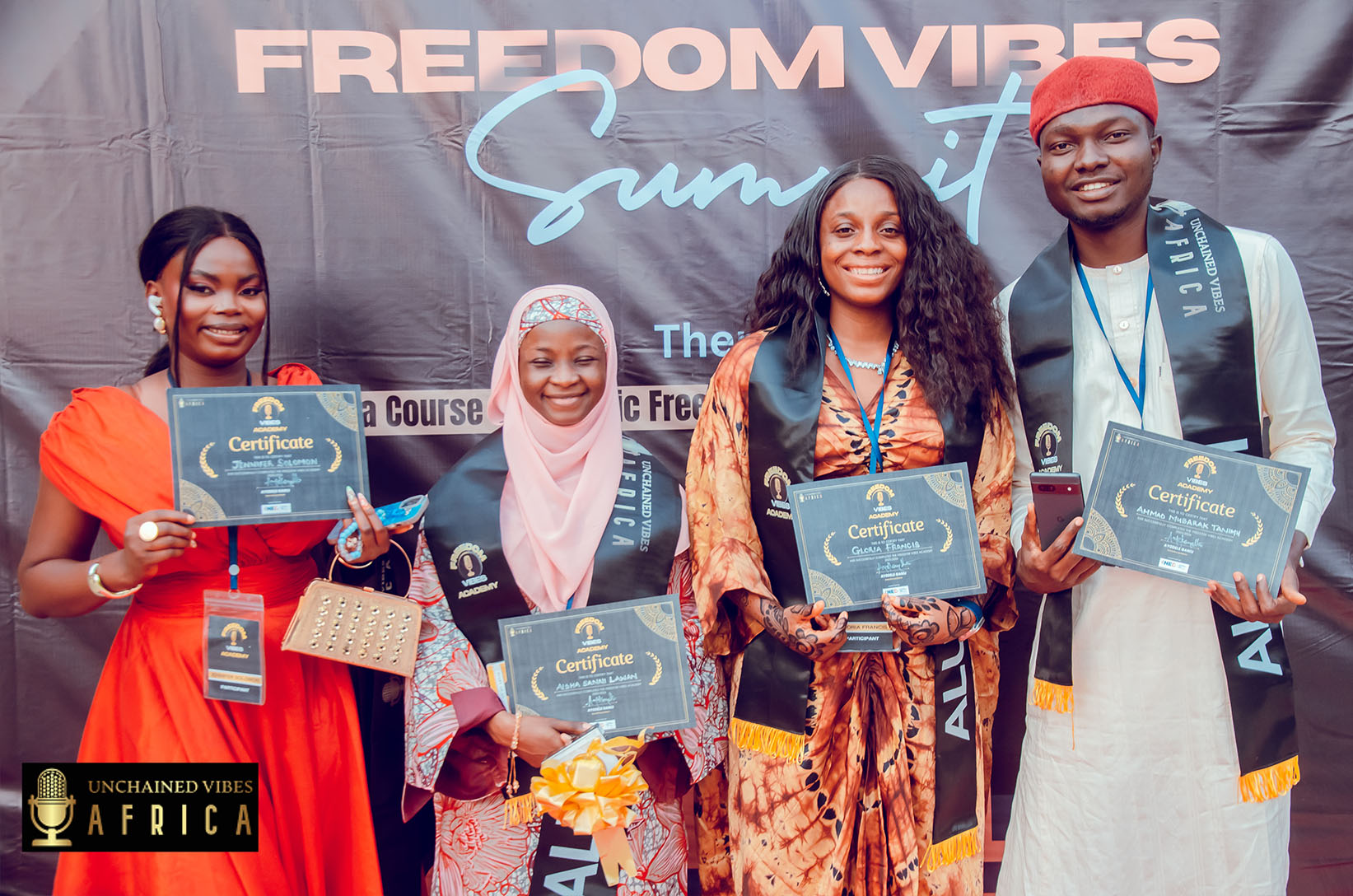
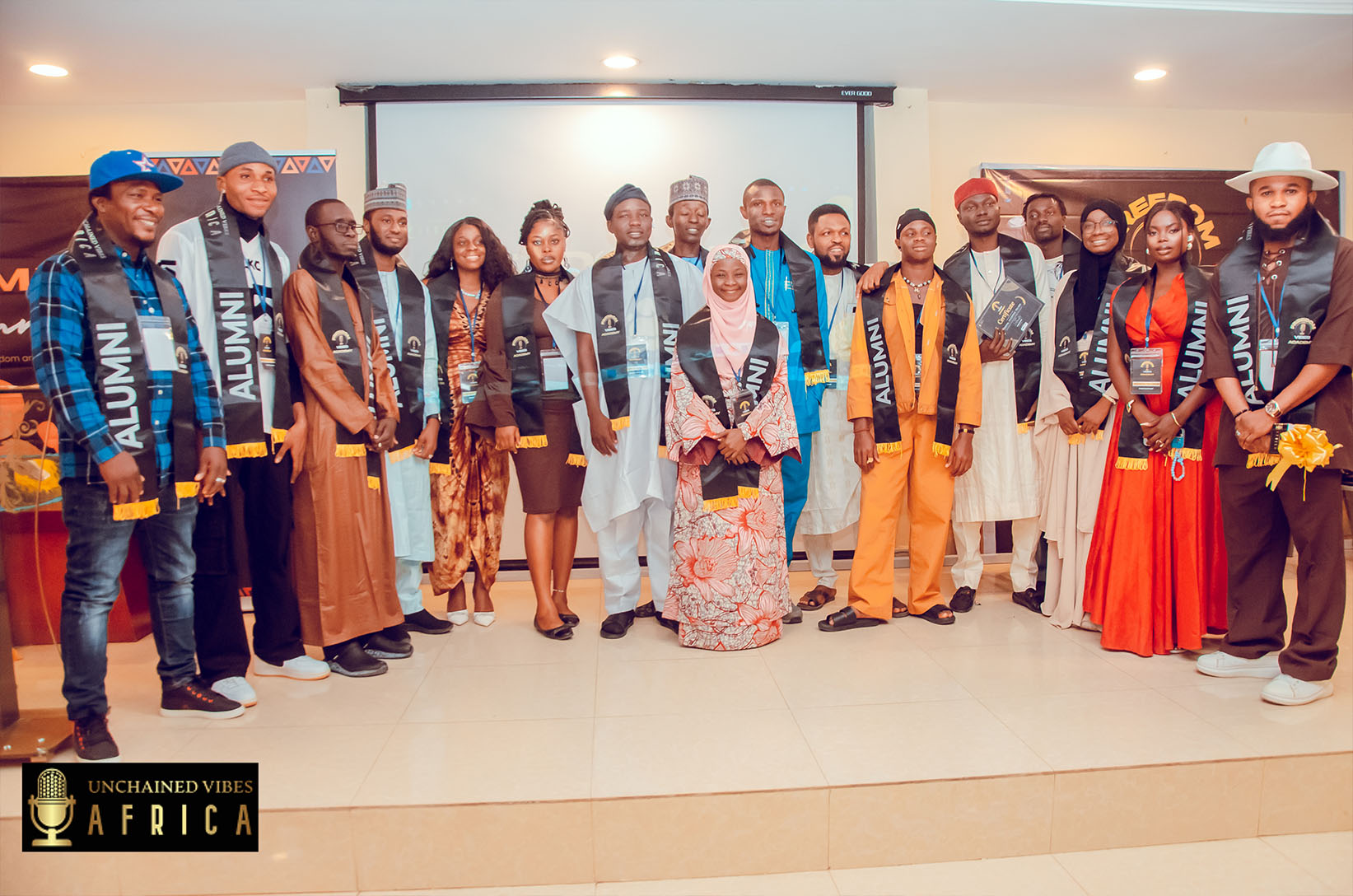
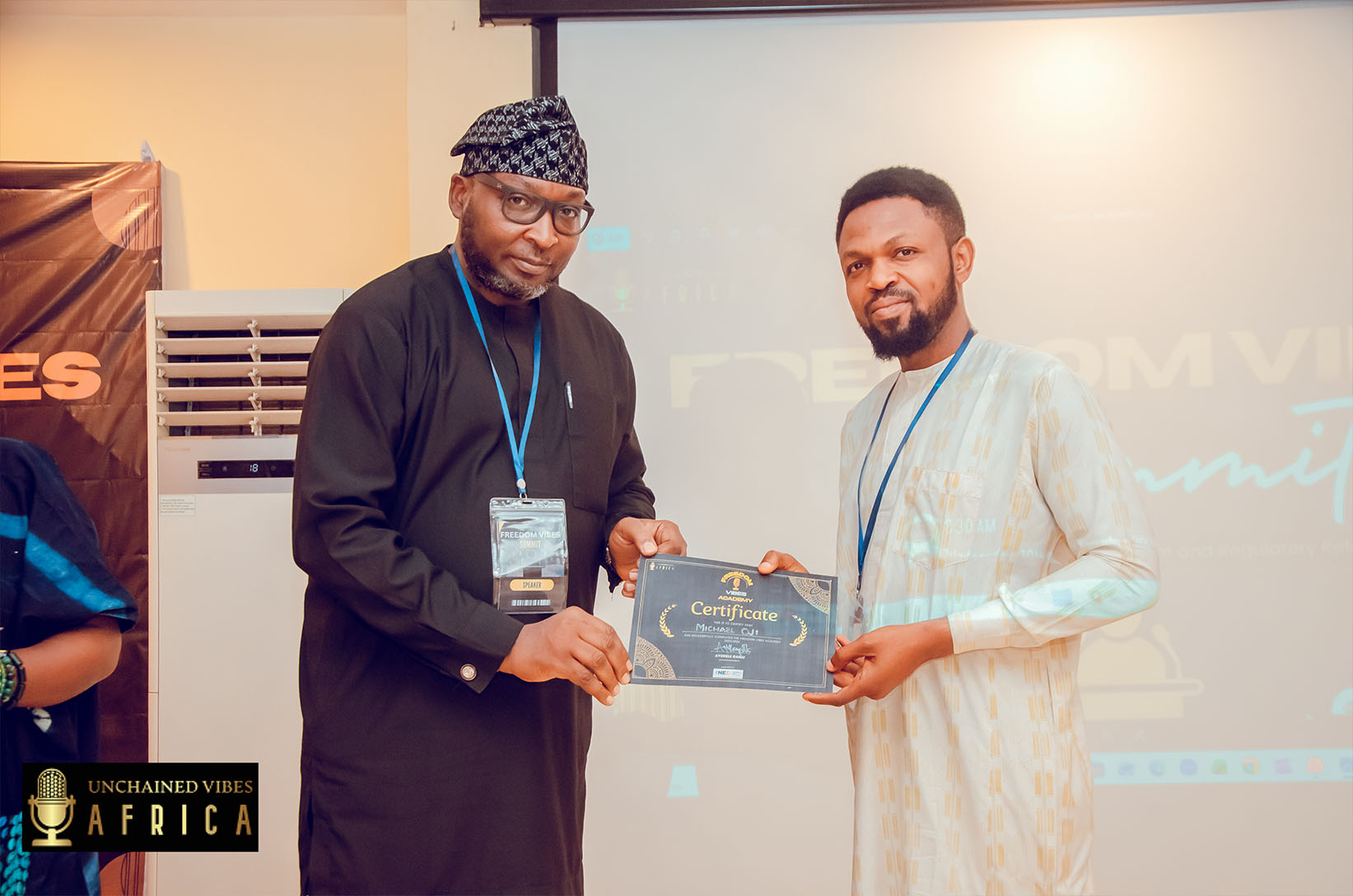
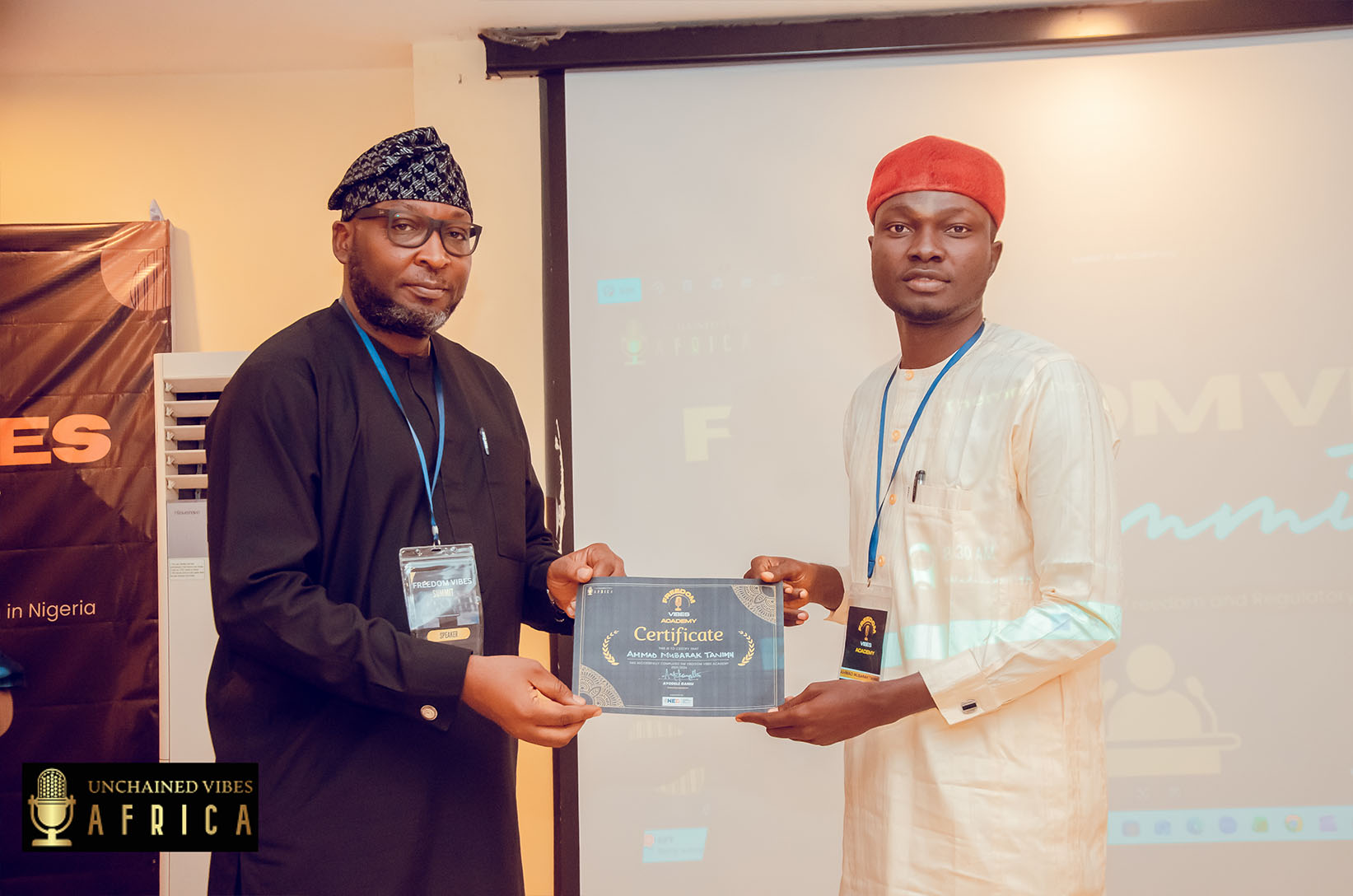
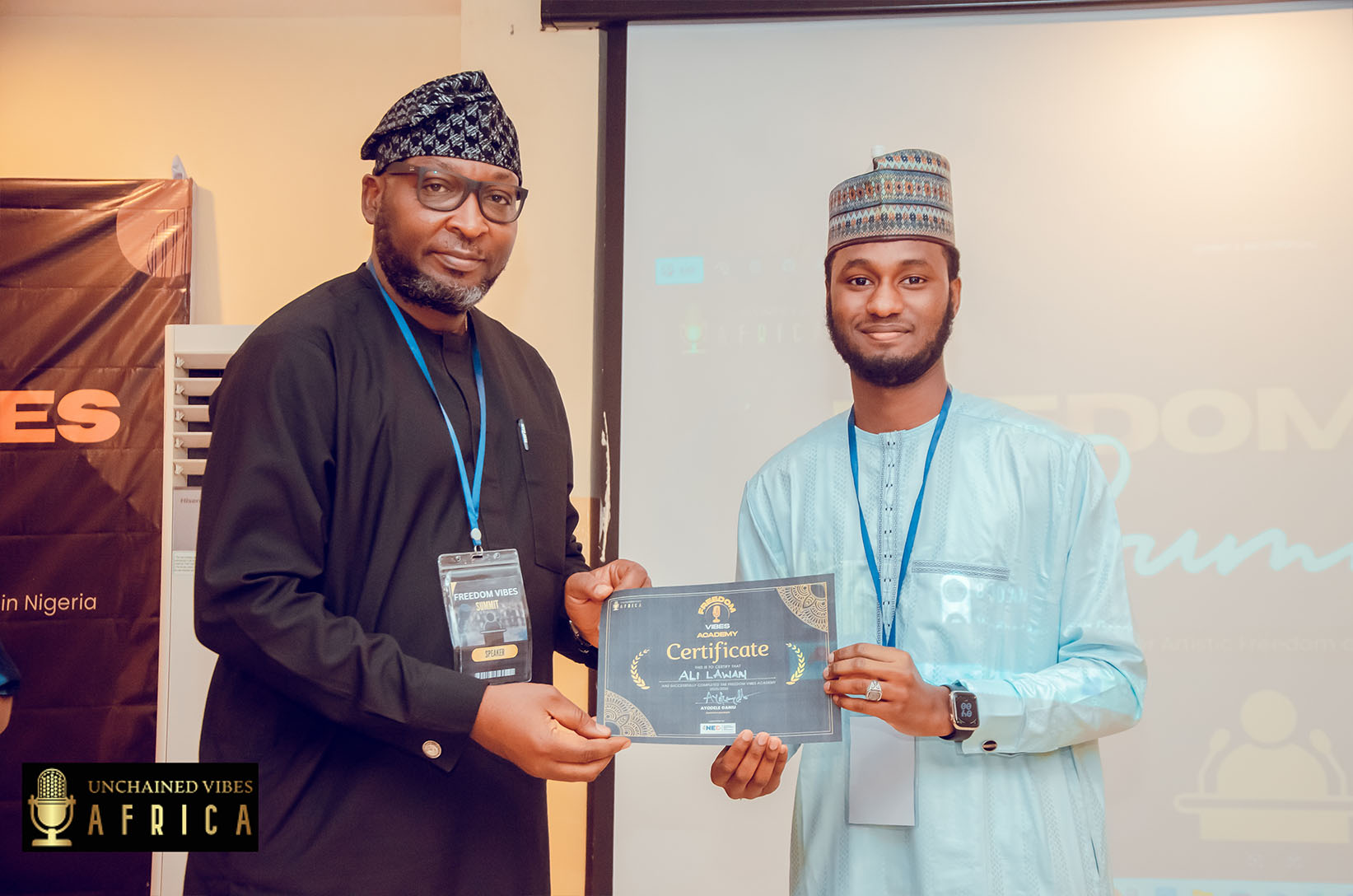
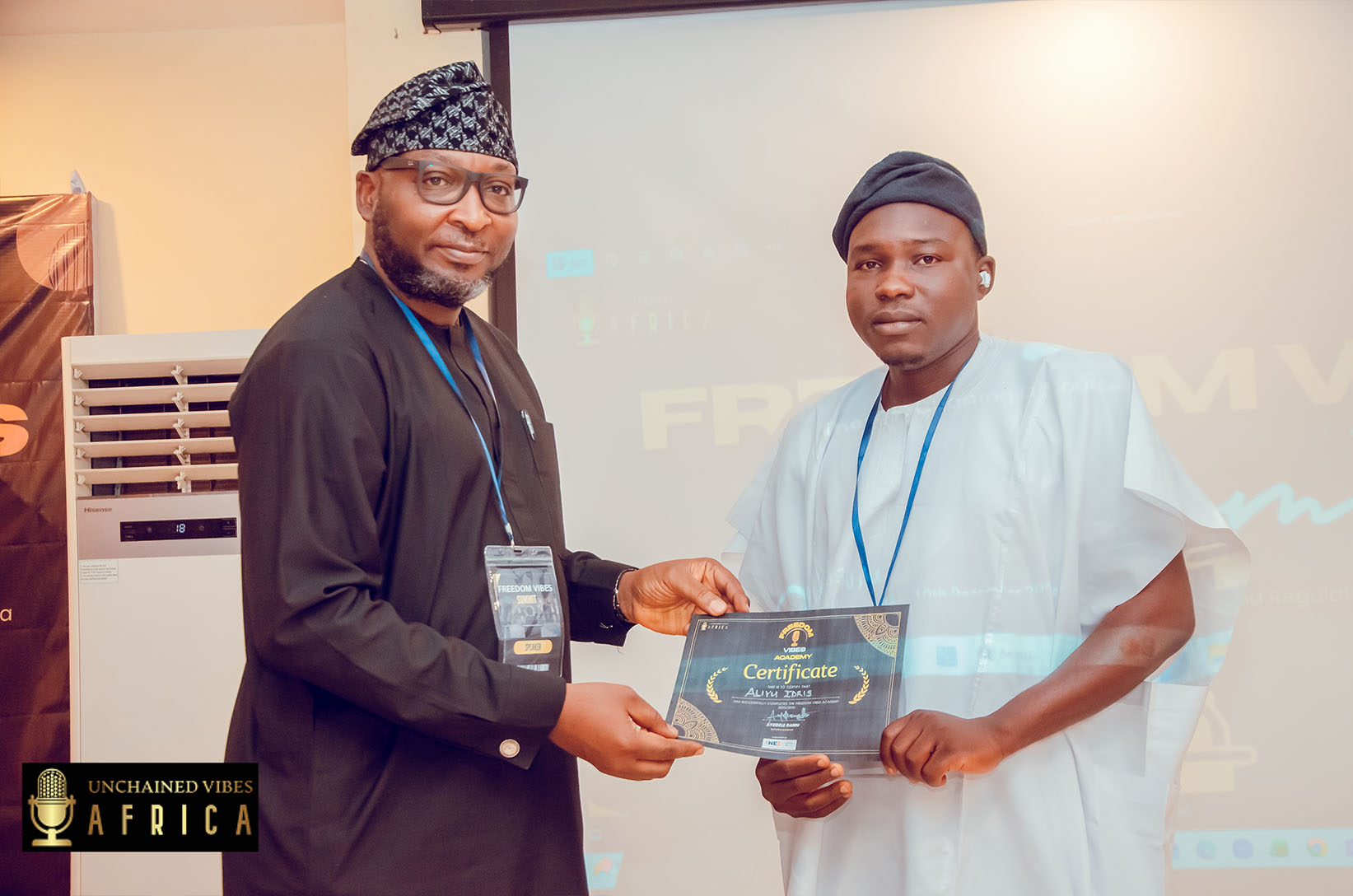
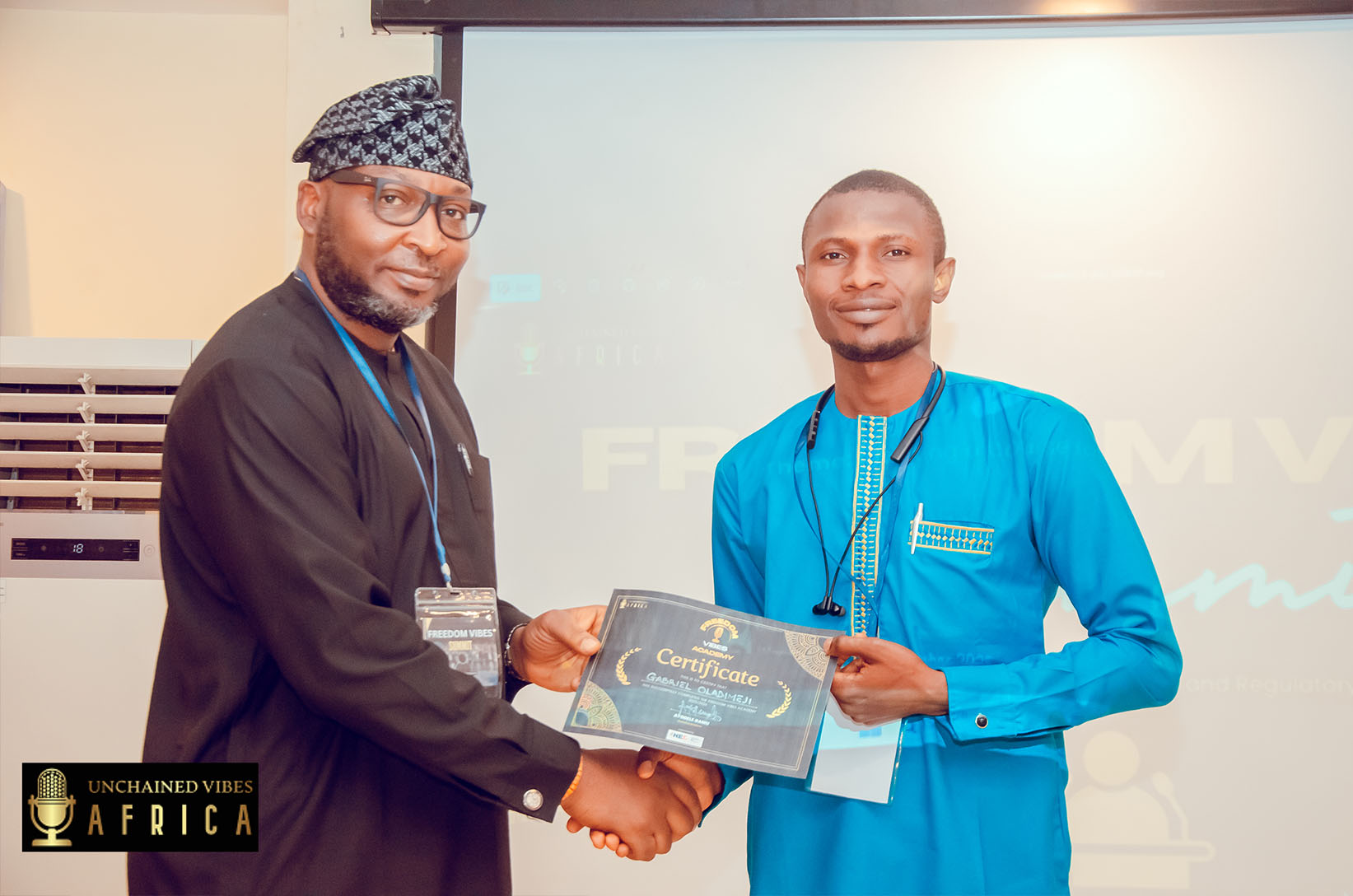
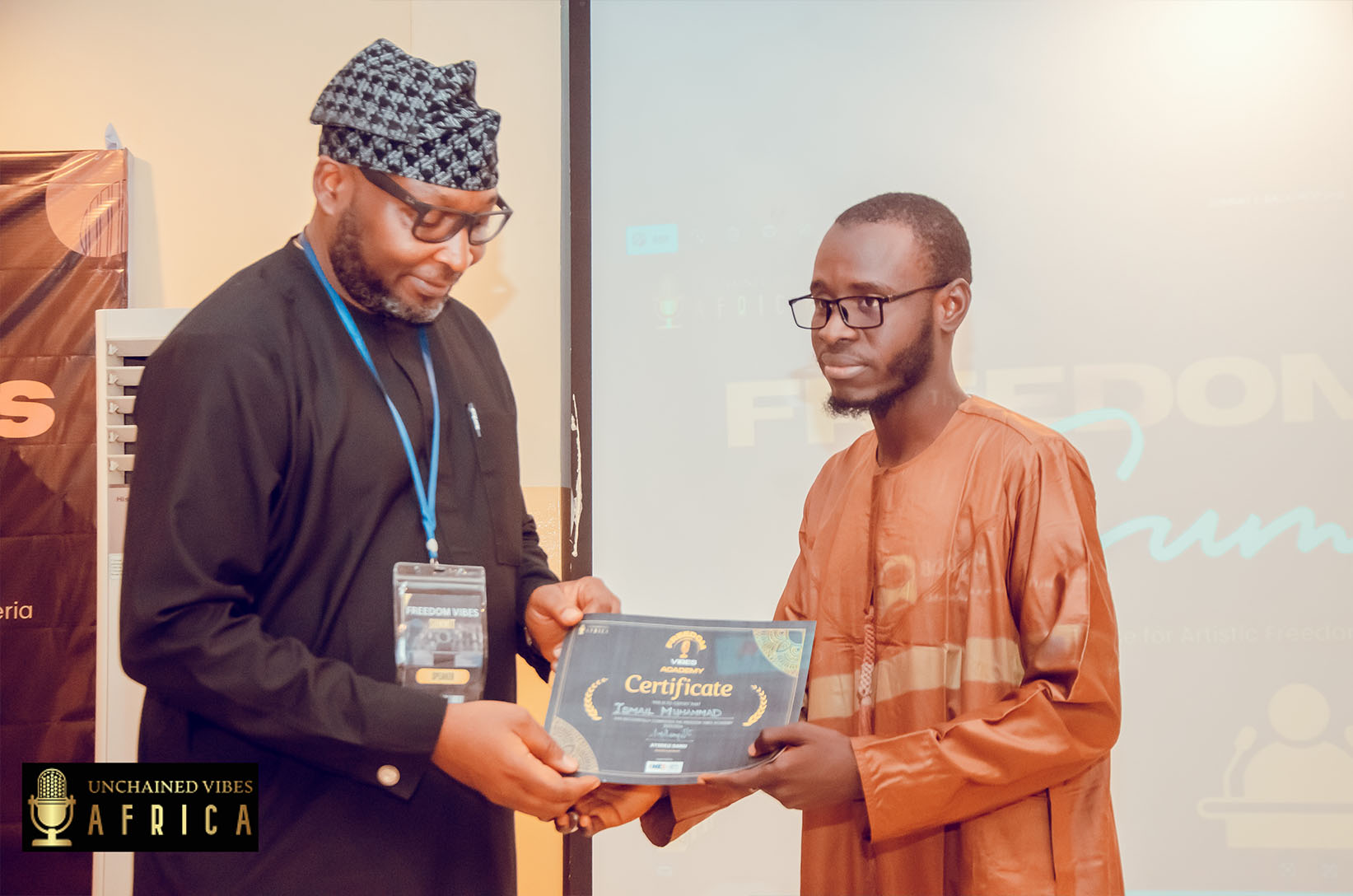
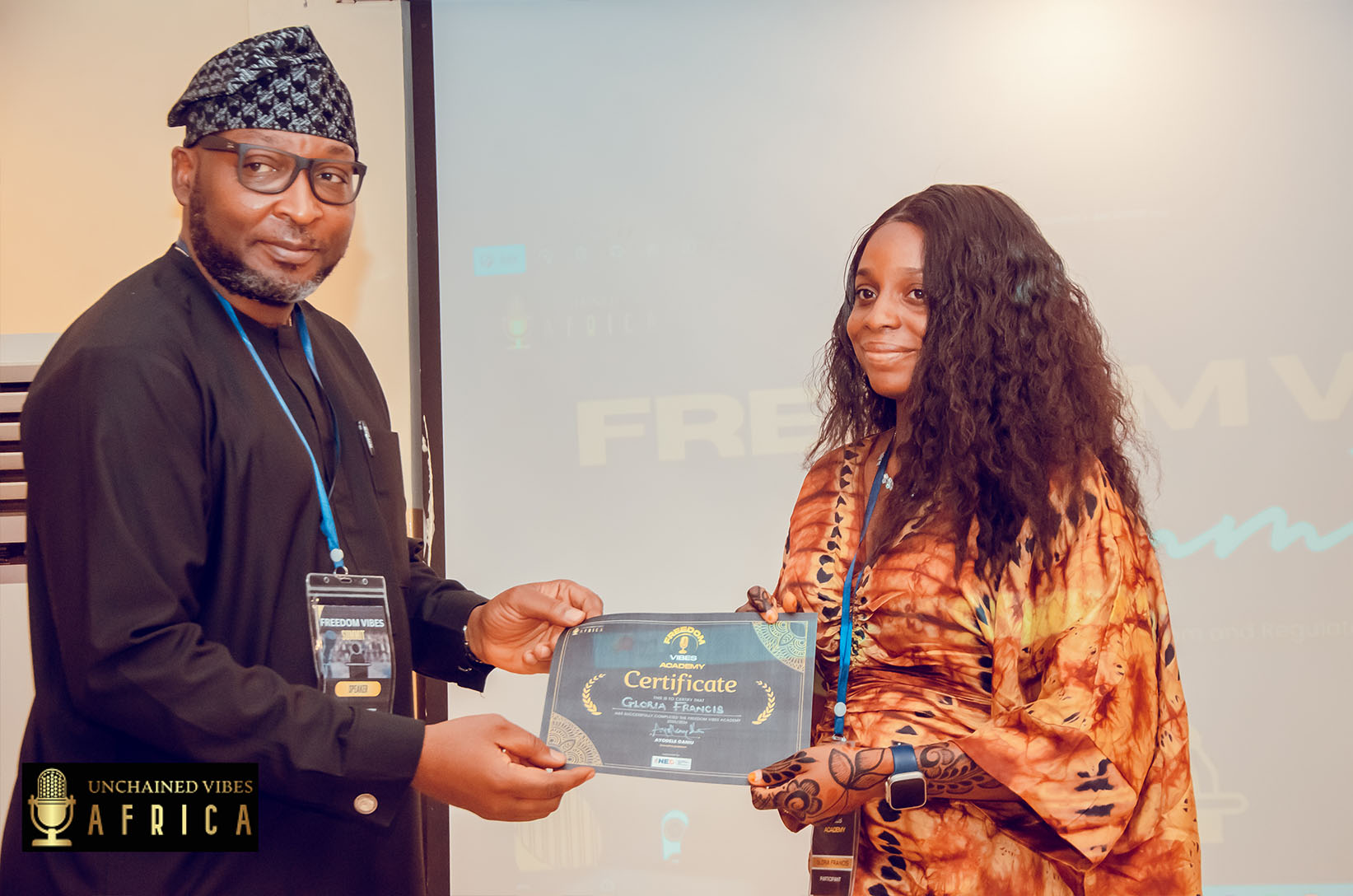
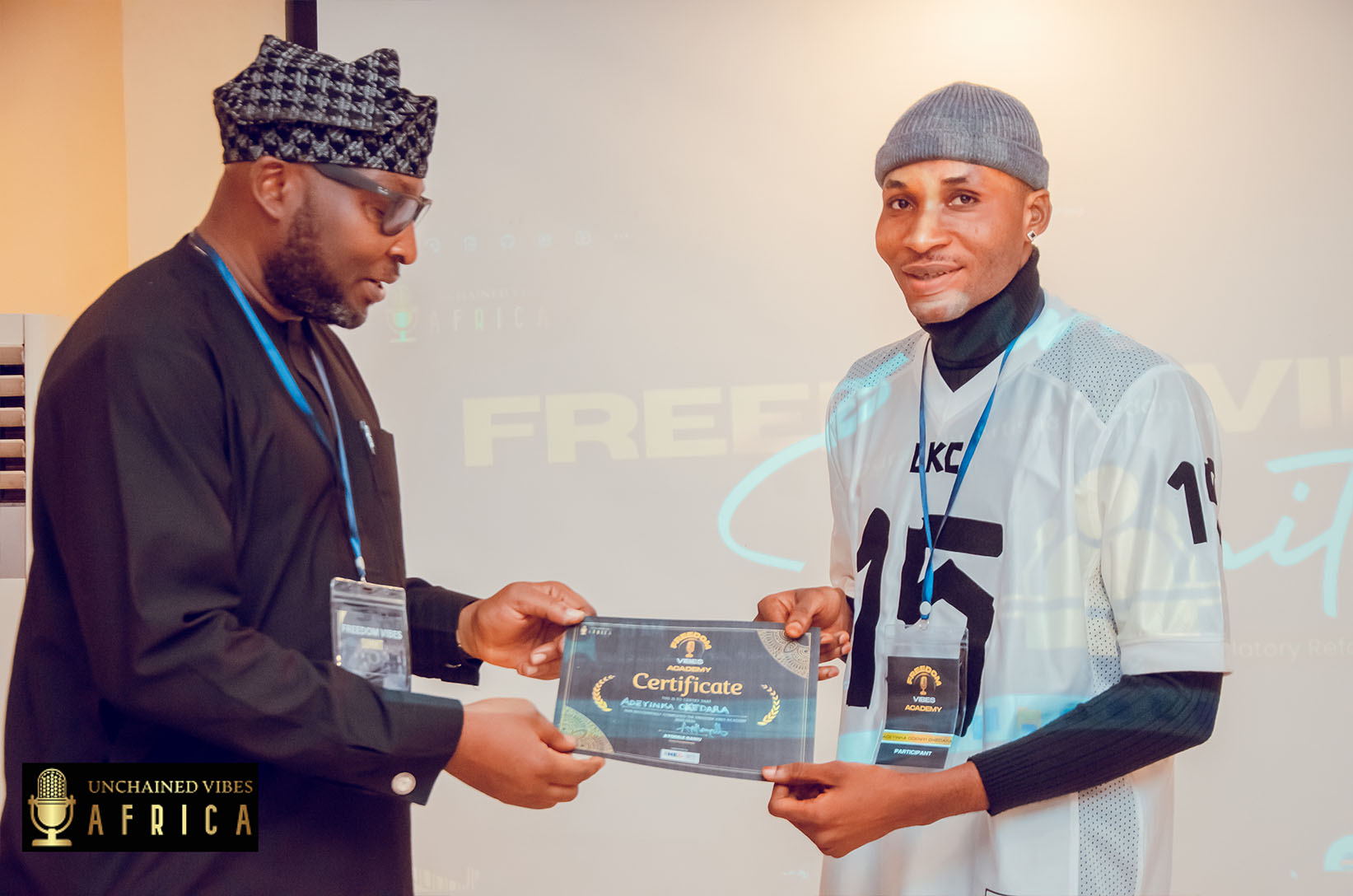
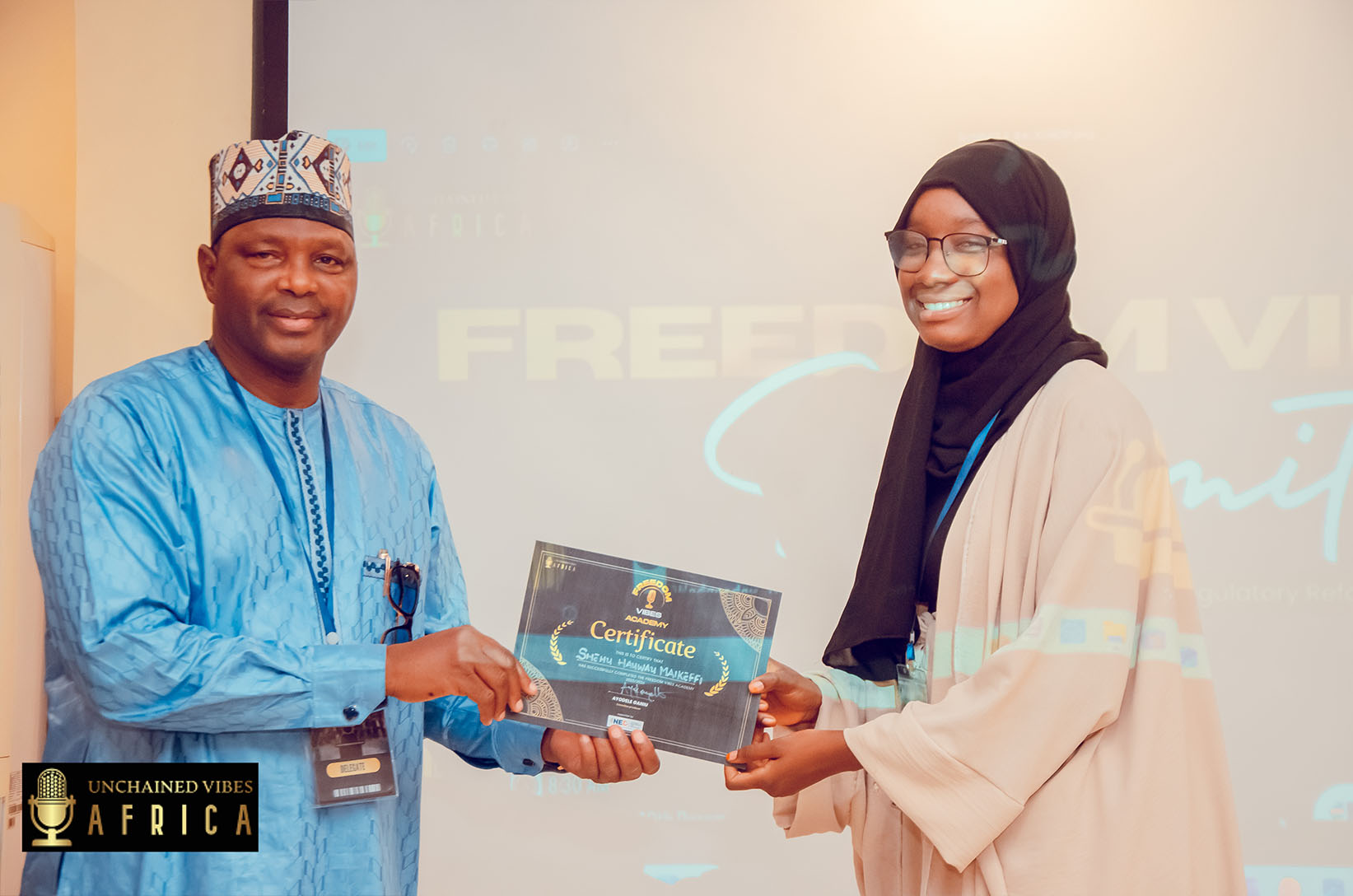
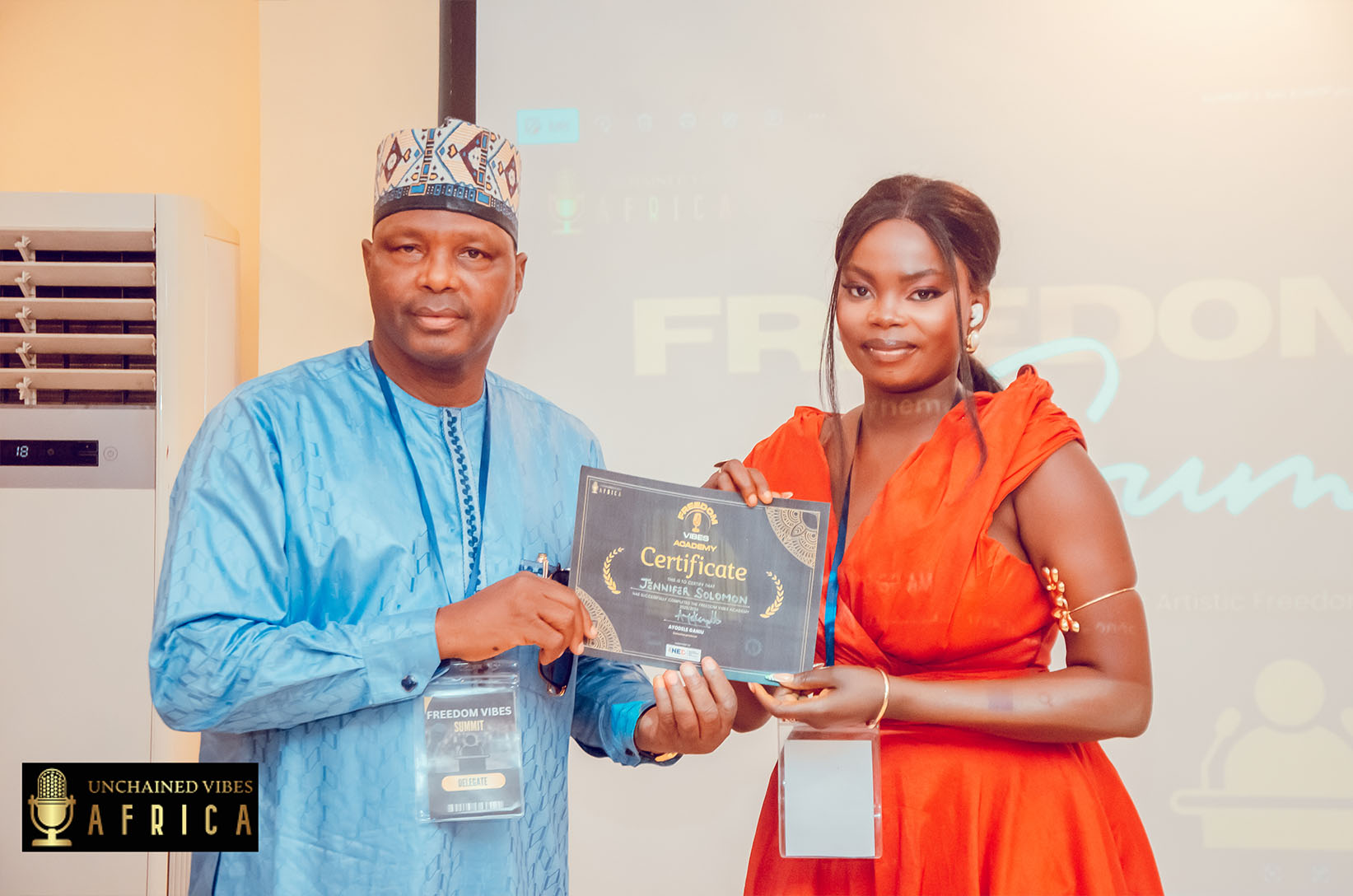
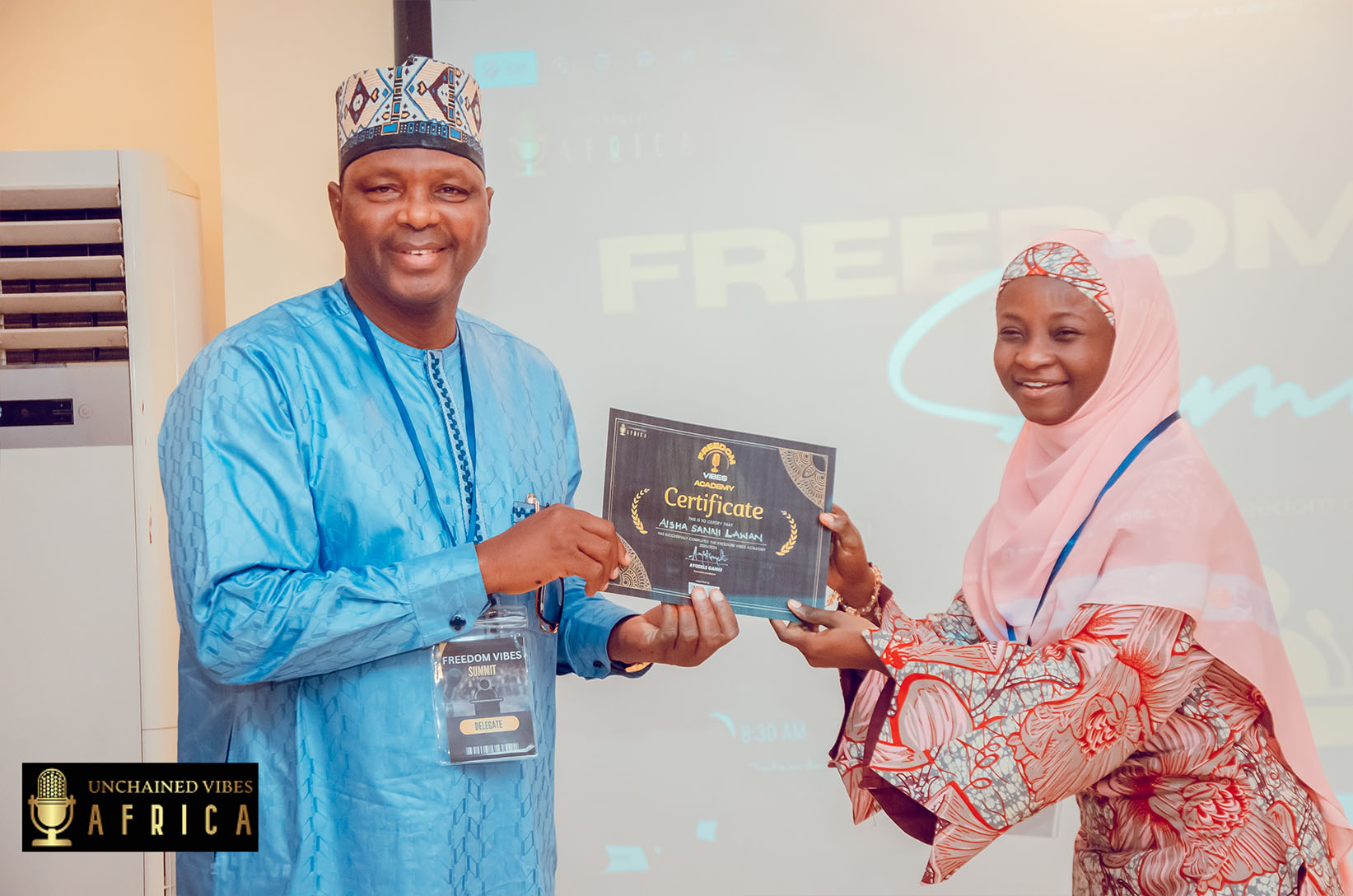
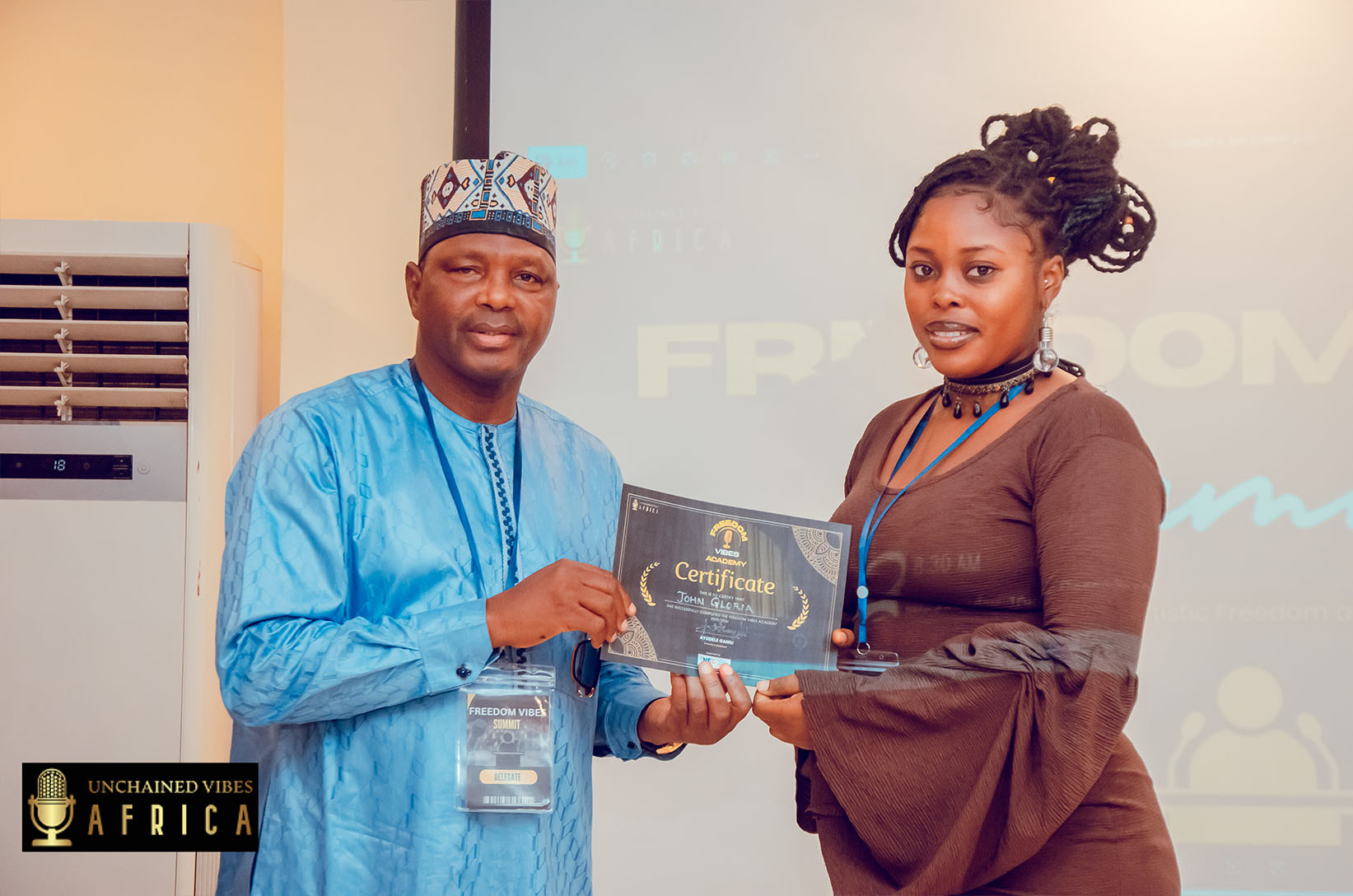
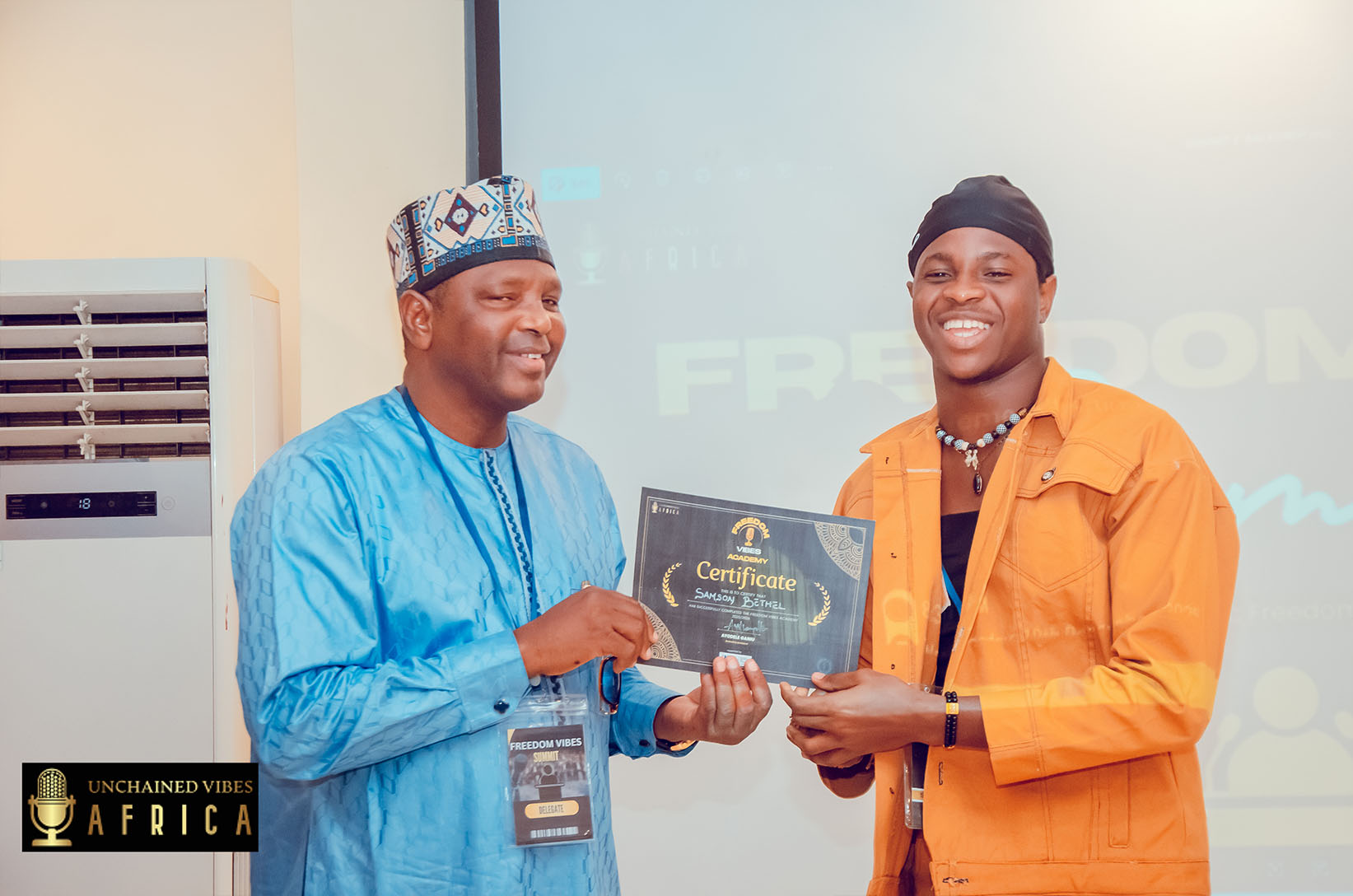
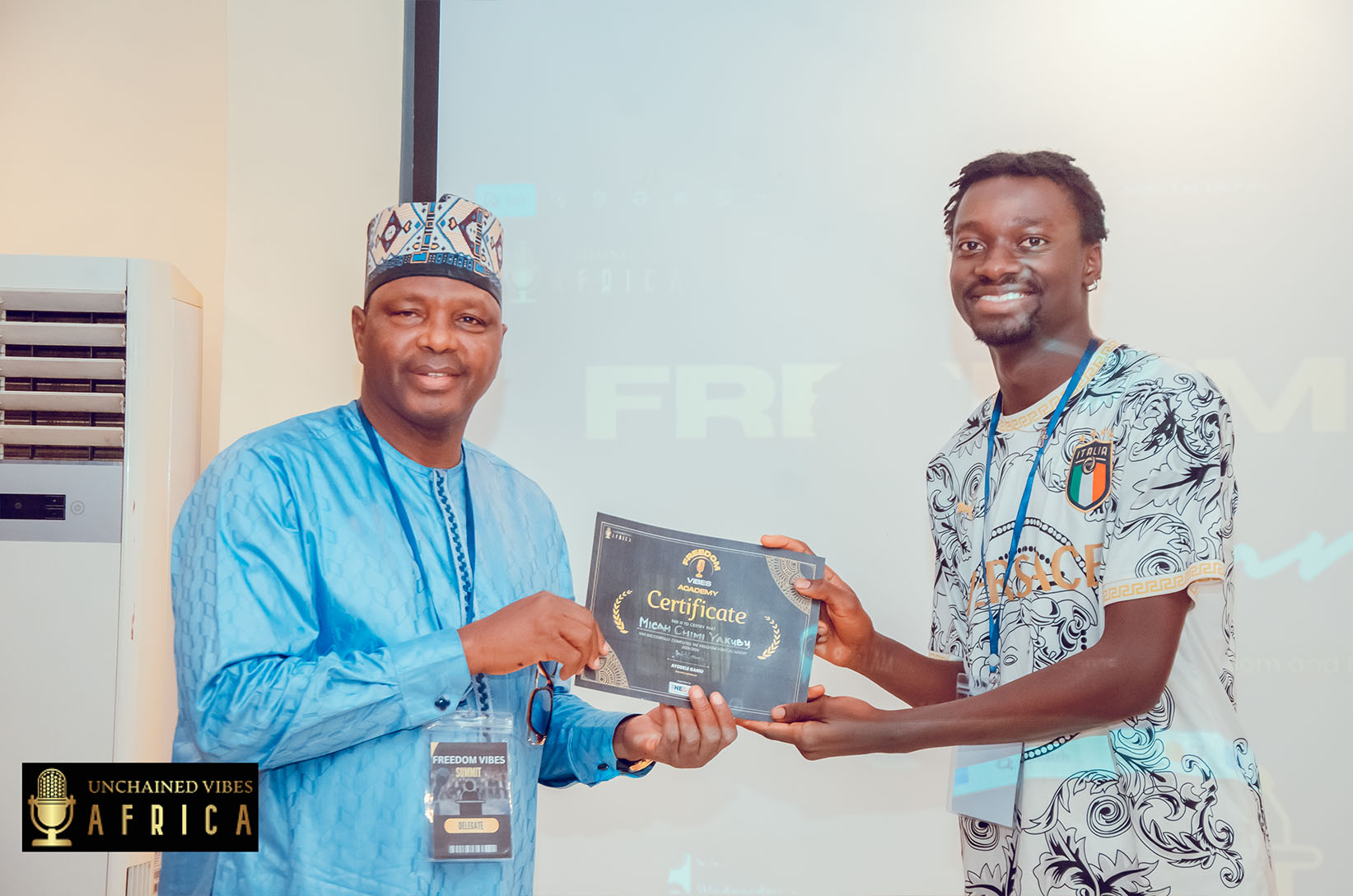
The Summit also featured the Graduation Ceremony for the 14 finalists of the Freedom Vibes Academy 2025, a three-month hybrid learning programme aimed at strengthening the advocacy capabilities of emerging socially conscious artists and cultural advocates.
There was an audiovisual presentation by Unchained Vibes Africa highlighting its preliminary 2025 report on the state of artistic freedom in Nigeria, citing violations documented between January and November 2025.
CONCERNS
1. Rising Censorship and Arrests of Artists
Stakeholders expressed deep concerns over the increasing rate of censorship, arrests, intimidation, and prosecution of artists, particularly in Kano State.
Some of the noteworthy cases highlighted include:
- The ban of Eedris Abdulkareem’s song “Tell Your Papa” by the National Broadcasting Commission (NBC). Numerous human right bodies, including Amnesty International, have described unlawful the banning of a song criticizing government, without verifiable evidence of harmful content like incitement or credible threats to national security
- Suspension of 22 film series by the Kano State Censorship Board without due process.
- A court order in Kano compelled 2 TikTok creators to marry within 60 days, criminalizing a fictional work that depicts marriage. It was a compelling case study of the absurdity of censorship and misuse of judicial authority in a democracy in UVA’s 2025 preliminary report on the state of artistic freedom in Nigeria.
2. Expansion of Restrictive Actions by Regulatory Agencies and Controversial Recognition of Downloaders Association
- Concerns were raised about the legality of regulatory agencies expanding the scope of their enforcement to digital content which is beyond the provisions of their enabling laws. Attempts by some state censorship bodies to extend censorship to online platforms like YouTube, despite lacking the statutory mandate, remains a major threat to artistic freedom. Members of the artistic community and legal experts noted that target audiences for contents uploaded on digital platforms are not limited to local populations. In addition, digital platforms already have their community guidelines and policies regulating content in line with global best practices
- There were also concerns about the alleged recognition of a “downloaders association” in Kano, members of which have been linked to piracy, resulting in leaked creative works.
3. Lack of Clarity and Consistency in Regulation
Participants raised concerns about opaque rules and inconsistent enforcement.
Examples include:
- Conflicts between federal classification guidelines and state censorship laws.
- Unclear mandates between the NFVCB and state censorship boards.
- Lack of proper consultation with artists before bans or enforcement actions and absence of Appeal process.
5. Shrinking Space for Youth Expression
Young artists shared experiences of being targeted for hairstyles, music or commentary branded “non-conforming,” especially in regions where moral or religious codes heavily influence censorship policy.
Additional Concerns
- Increasing politicization of religious law in ways that heavily restrict artistic freedom.
- The growing climate of fear among artists speaking on governance, insecurity or social crises.
OBSERVATIONS
1. Documented Violations Reflect Systemic Issues
UVA’s monitoring in 2025 recorded:
- 41 direct complaints,
- 6,716 media reports reviewed, and
- 22 verified violations,
including bans, digital takedowns, harassment, and arbitrary arrests. - 15 direct interventions through campaigns, legal assistance, and production and performance opportunities.
2. Legal Experts Emphasized Constitutional Protections
Lawyers clarified that:
- Artistic freedom remains protected under the Nigerian Constitution.
- Federal law supersedes state law where contradictions occur.
- The Attorney General of the Federation has authority to seek constitutional interpretation where states overreach.
3. Regulatory Frameworks Require Urgent Reforms
Stakeholders unanimously agreed that Nigeria’s regulatory environment is inconsistent with global best practices.
The NFVCB delegation presented the efforts of the institution and its ongoing transition from censorship to classification. The institution, in its policy position, acknowledged the need to modernize processes, especially for digital content.
4. Artistic Works Reflect Societal Realities
Participants affirmed that art serves as a mirror of the society. Cases such as “The Herd” demonstrate how films addressing insecurity or social tensions should not be mistaken for ethnic profiling or defamation without full contextual review.
5. State–Artist Relationship Needs Strengthening
Stakeholders highlighted the lack of trust between artists and regulators.
Government agencies acknowledged communication gaps and expressed willingness to engage more openly.
Other Observations
- Culture is dynamic and practices that once seemed normal, such as forced marriage, female genital mutilation (FGM), harmful cultural rites or blanket censorship, have evolved and now subjected to alignment with human rights principles.
- Misinterpretations of religion or morality often fuel punitive actions against creatives.
RECOMMENDATIONS
1. Review and Reform Relevant Laws and Regulations
Government and regulatory bodies should urgently revise outdated state and federal laws, including censorship laws to align with the Nigerian Constitution and global standards.
2. Transparent, Fair and Harmonized Regulatory Processes
Agencies should adopt:
- Clear and simplified procedures
- Non-arbitrary decision-making
- Proper classification rather than censorship
- Open communication with creators
- There should be a transparent Appeal Process
Speakers suggested strengthening oversight to prevent abuse of regulatory powers.
3. Institutionalize Stakeholders’ Dialogues
Create regular platforms for engagement among artists, regulators, legal experts, CSOs and government bodies to promote mutual understanding and reduce conflict.
4. Strengthen Legal Support Systems for Creatives
CSOs, legal clinics and human rights networks should expand:
- Legal literacy for artists
- Advisory and rapid-response systems
- Pro bono representation for victims of rights violations
5. Expand Capacity-Building for Young Creatives
UVA should scale the Freedom Vibes Academy to reach more states and train more artists in advocacy, copyright and cultural entrepreneurship.
6. Intensify Public Awareness on Artistic Freedom
Stakeholders called for stronger advocacy to educate the public on:
- The importance of artistic freedom for democracy.
- The need to protect cultural voices.The dangers of misinformation and mob-based judgment.
7. Collective Commitment to Protecting Creative Space
All participants affirmed support for building a safe, inclusive, legally grounded environment where artists can express themselves responsibly without fear of persecution.
8. Needs to Involve Kano State House of Assembly for dialogue and policy change